Southern Snake Lady

Southern Snake Lady presents

Snakes of theSoutheast:

Coexistence and Identification

9

Common Harmless Species
in NE Florida
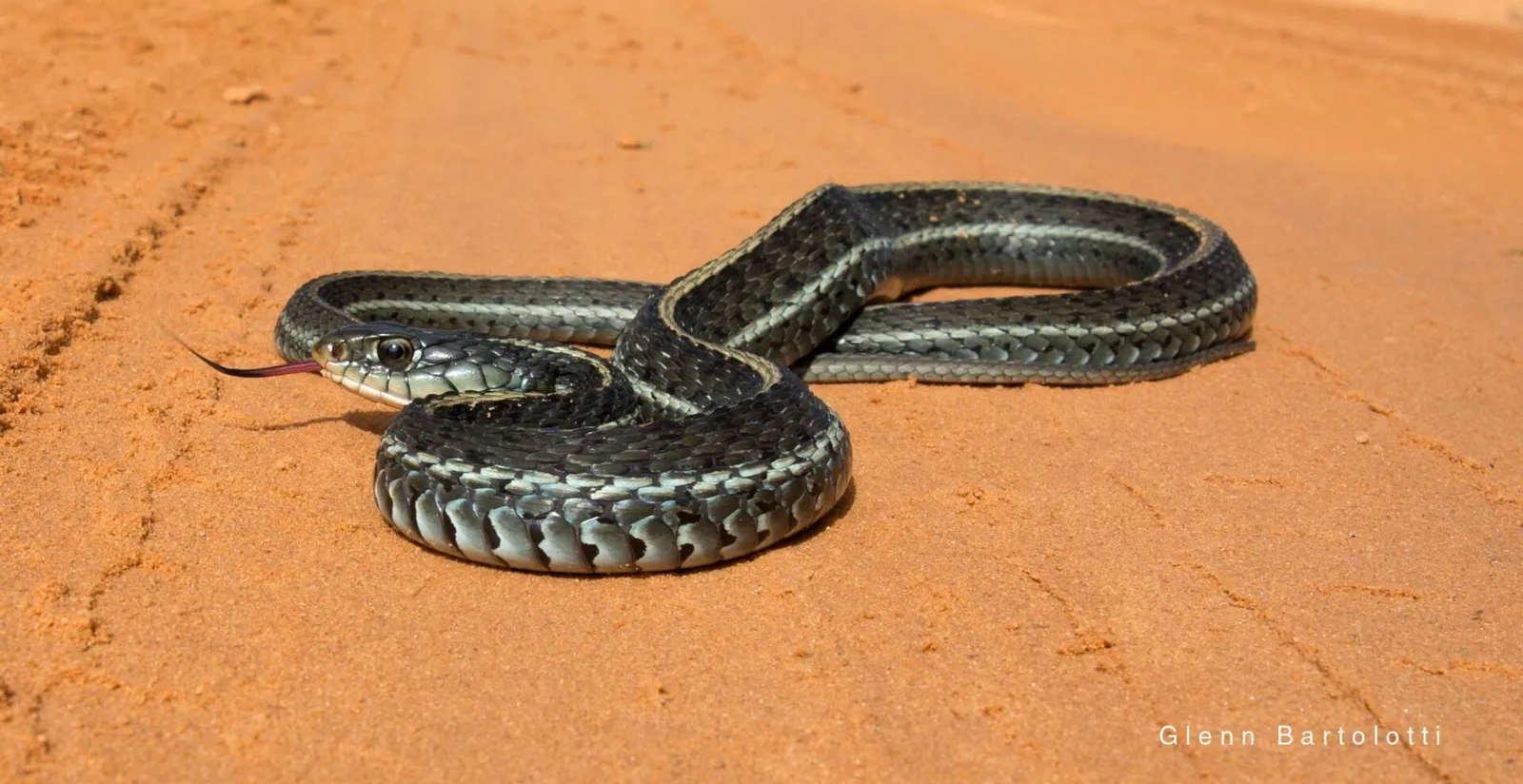
Eastern Garter Snake
NON-VENOMOUSEastern Garter Snake
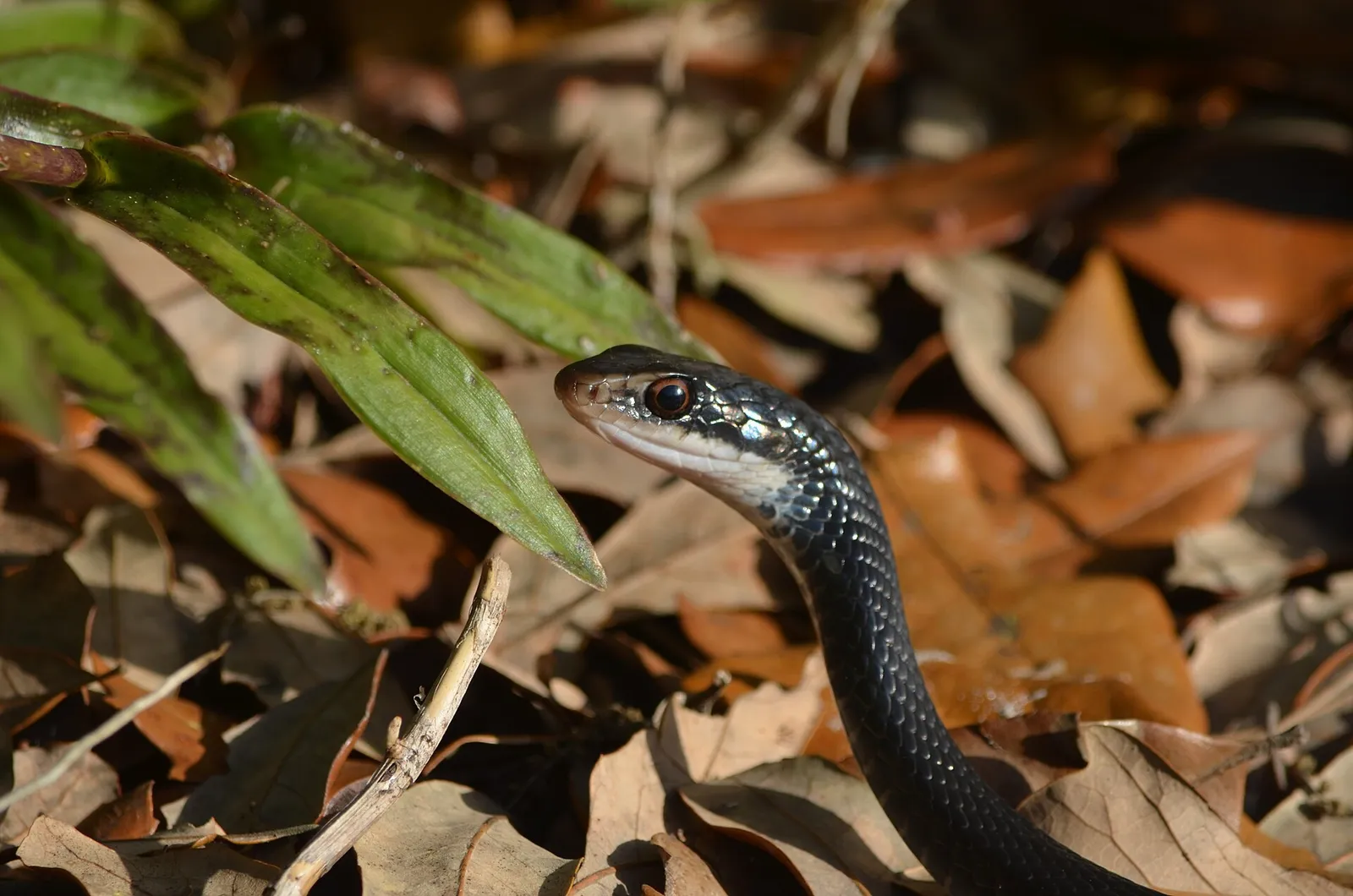
Black Racer
NON-VENOMOUSBlack Racer
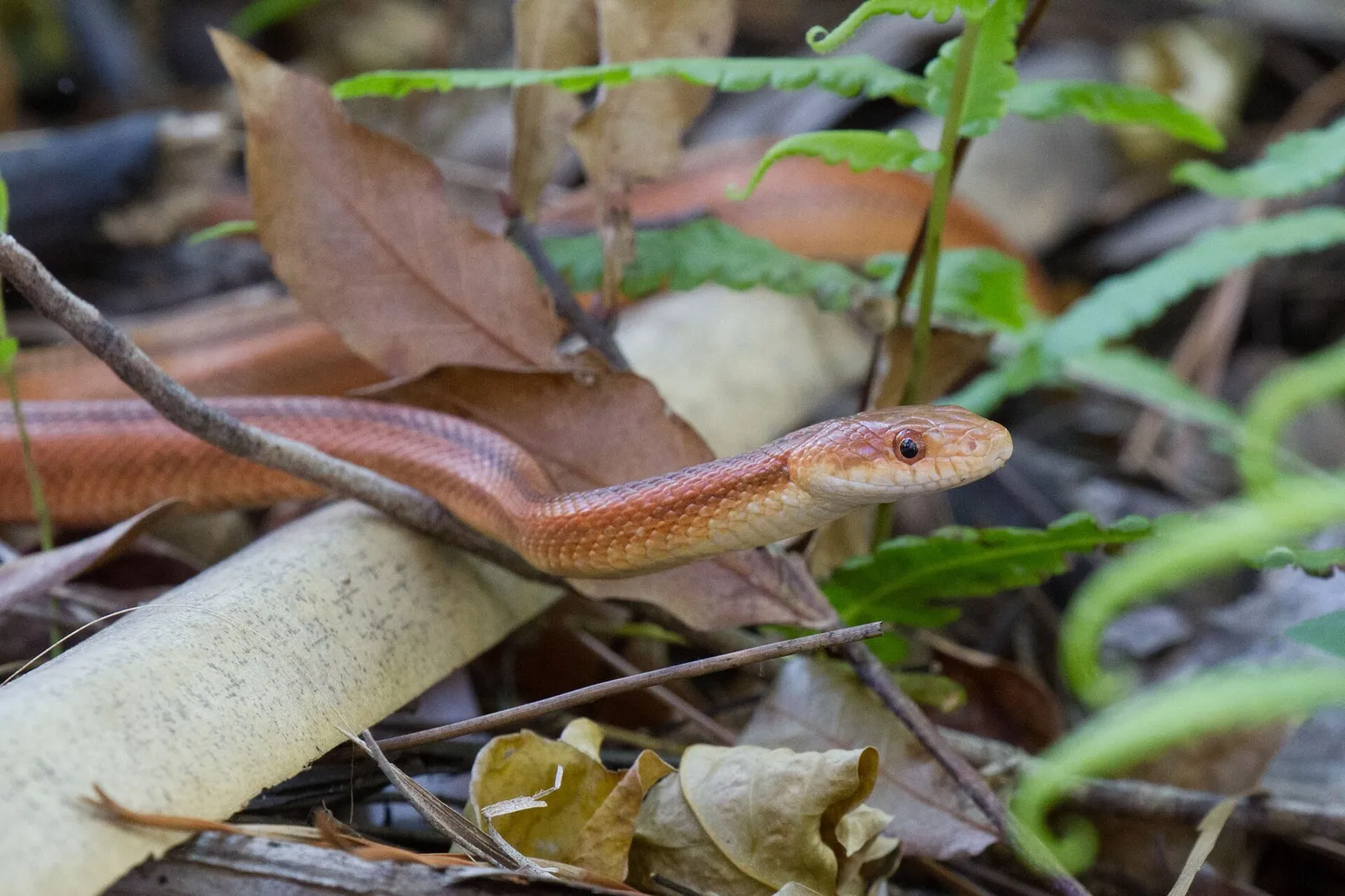
Eastern Rat Snake
NON-VENOMOUSEastern Rat Snake
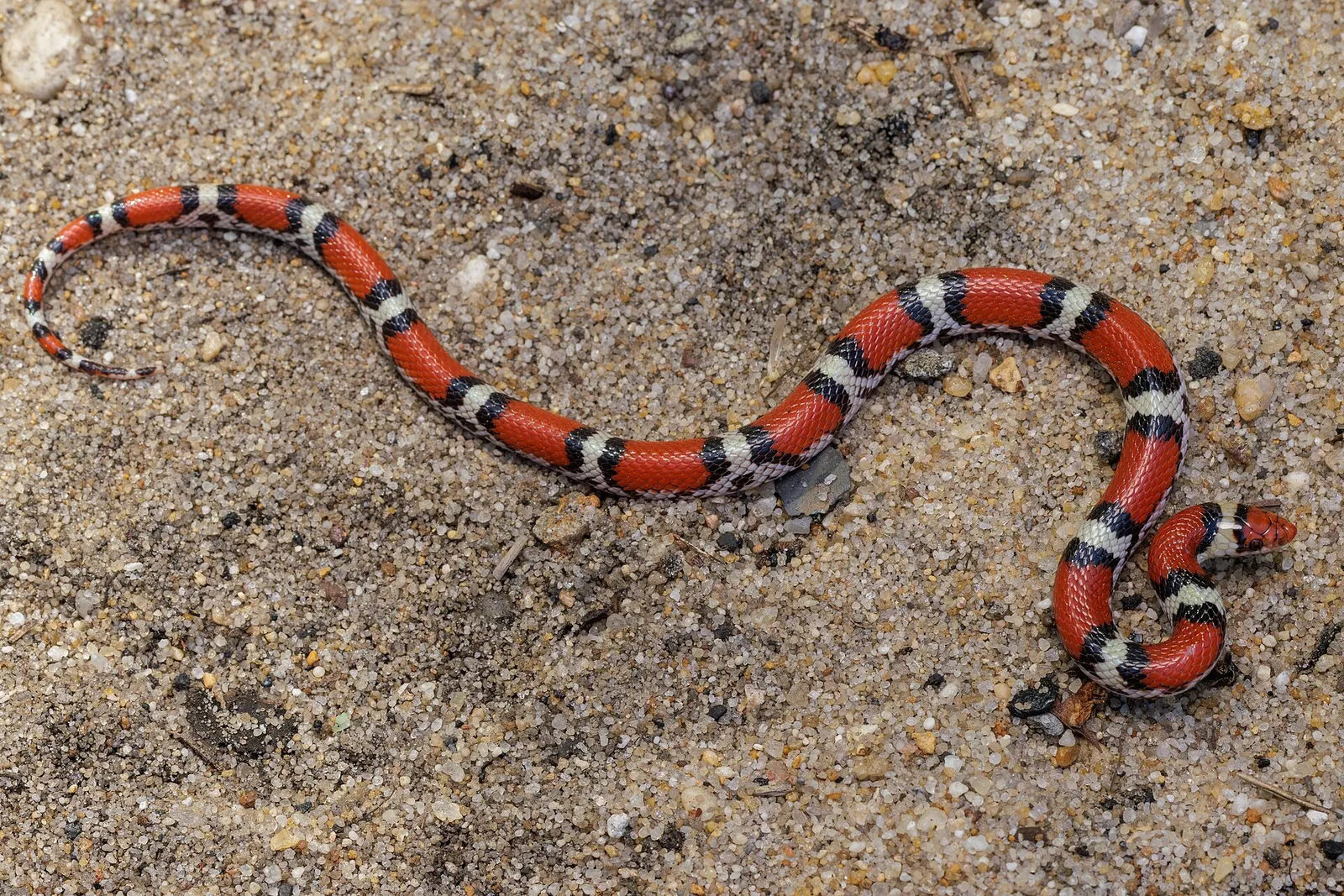
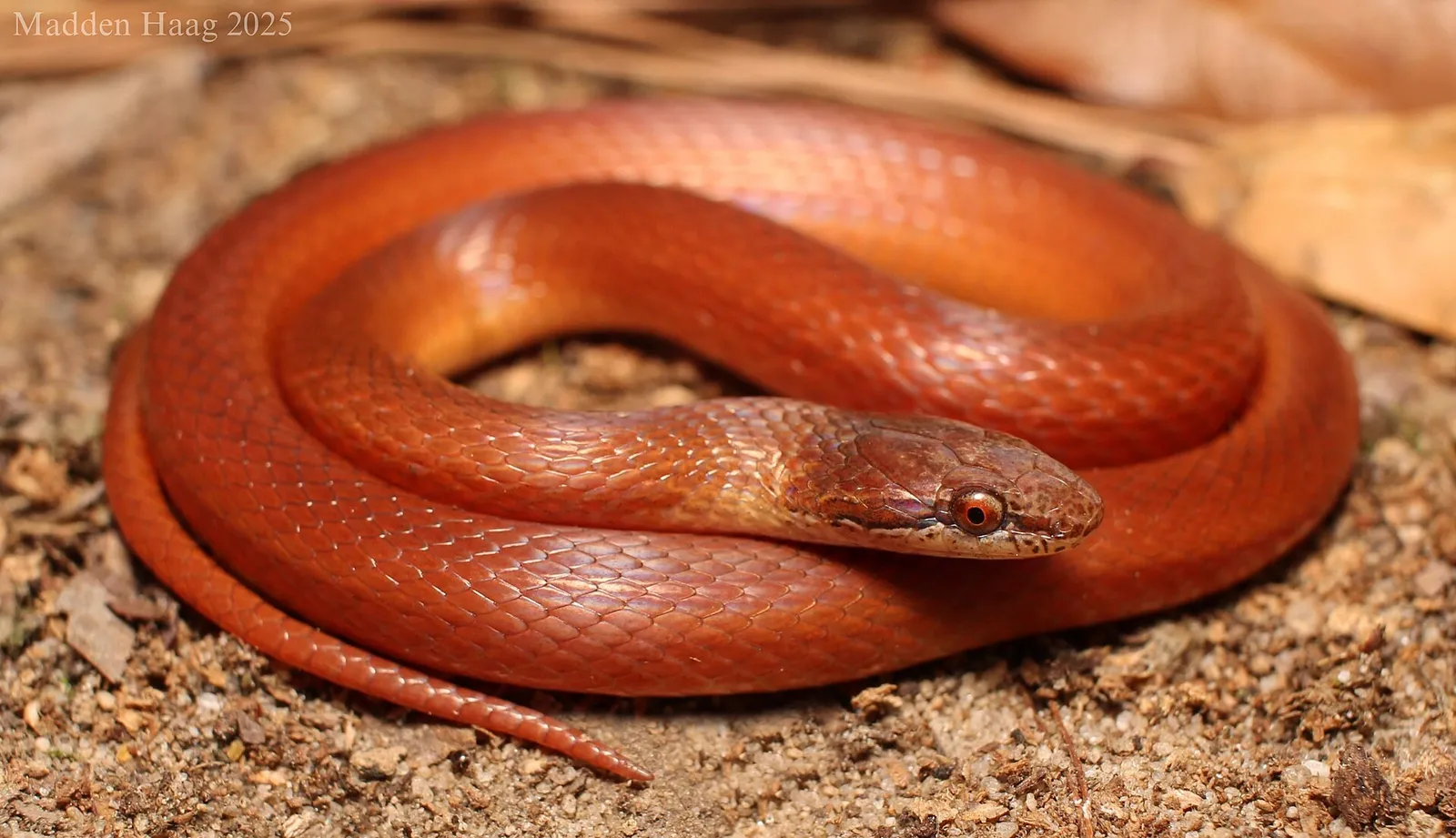
Scarlet Snake
NON-VENOMOUSScarlet Snake
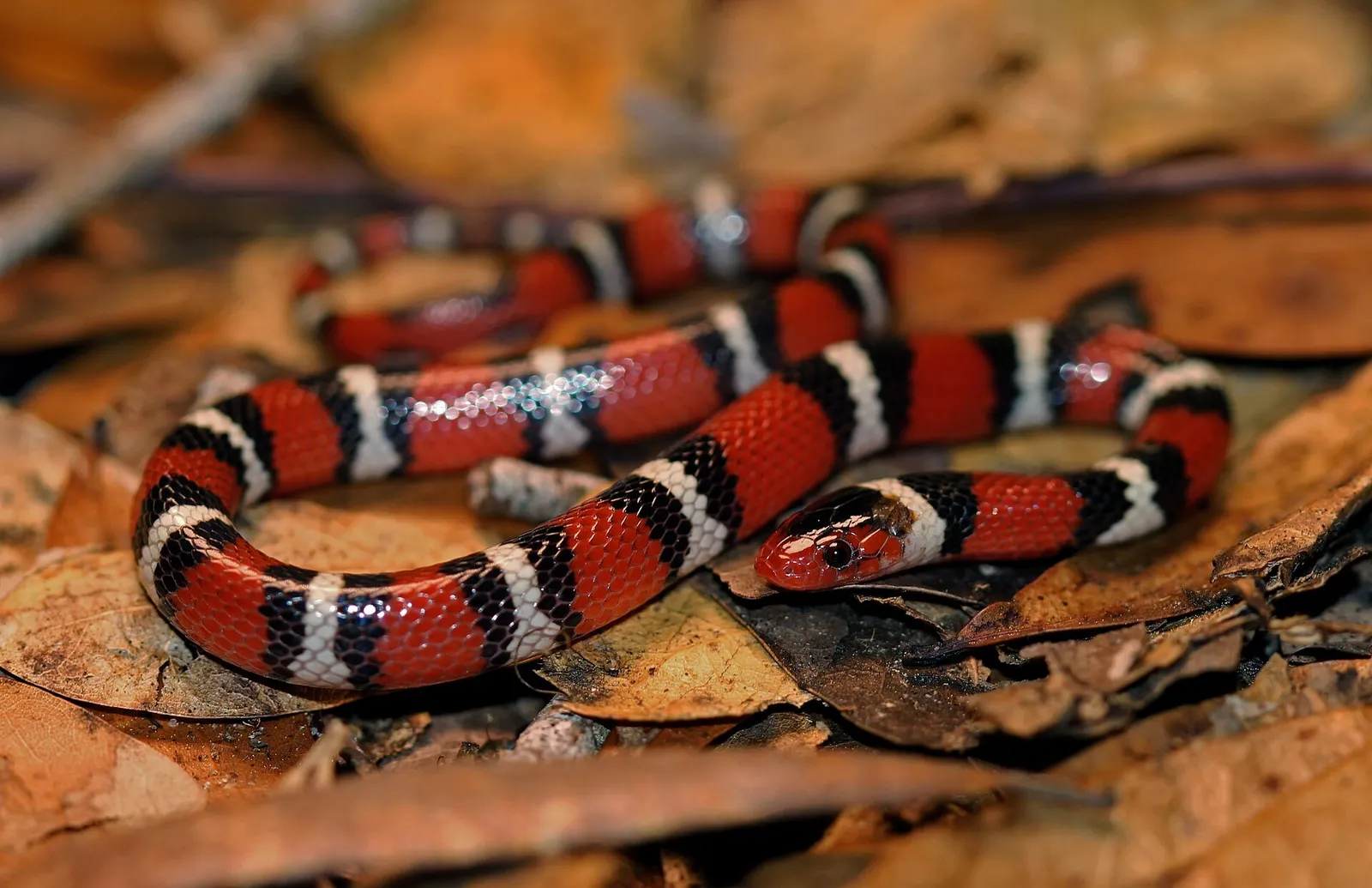
Scarlet King Snake
NON-VENOMOUSScarlet King Snake
Florida Brown Snake
NON-VENOMOUSFlorida Brown Snake
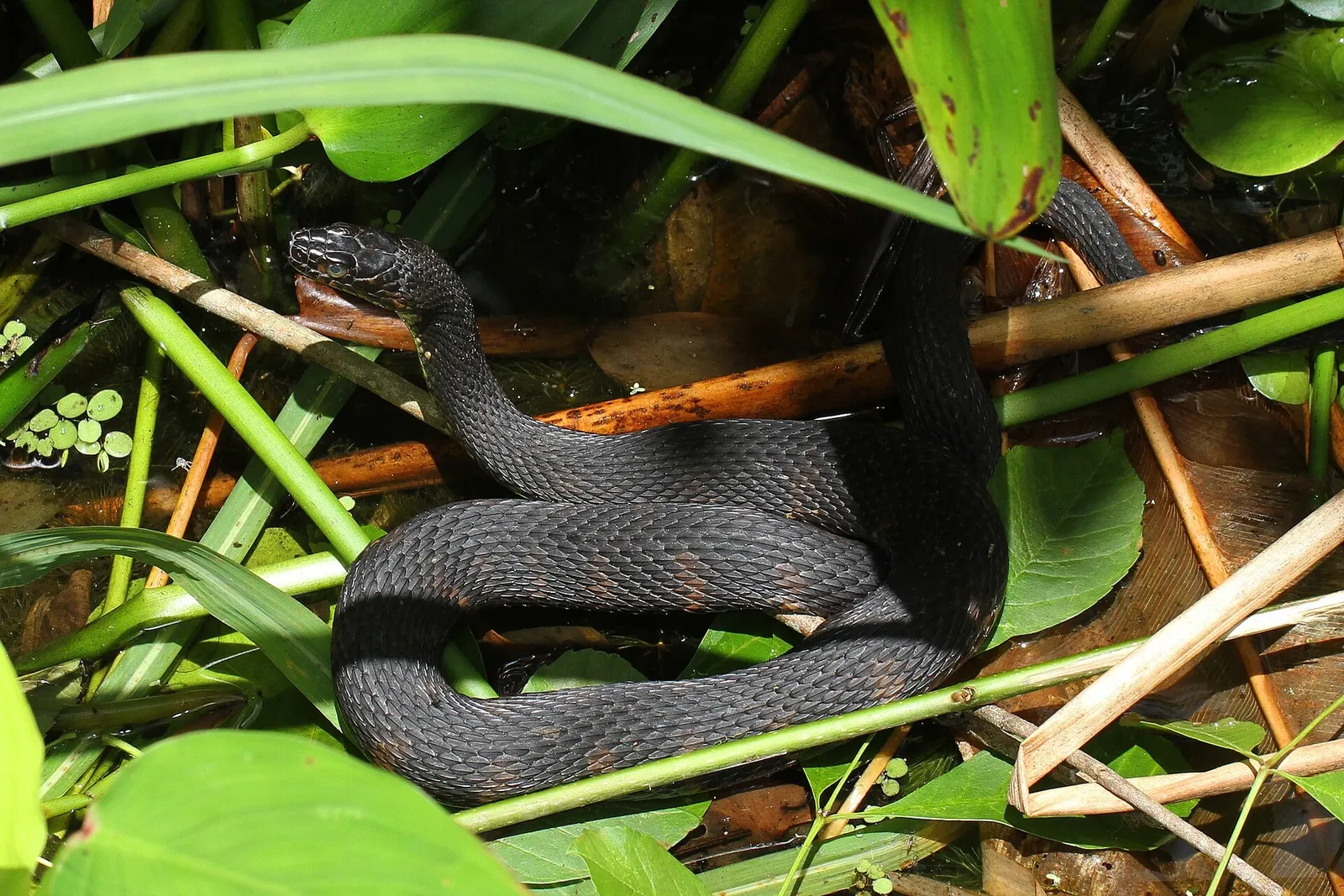
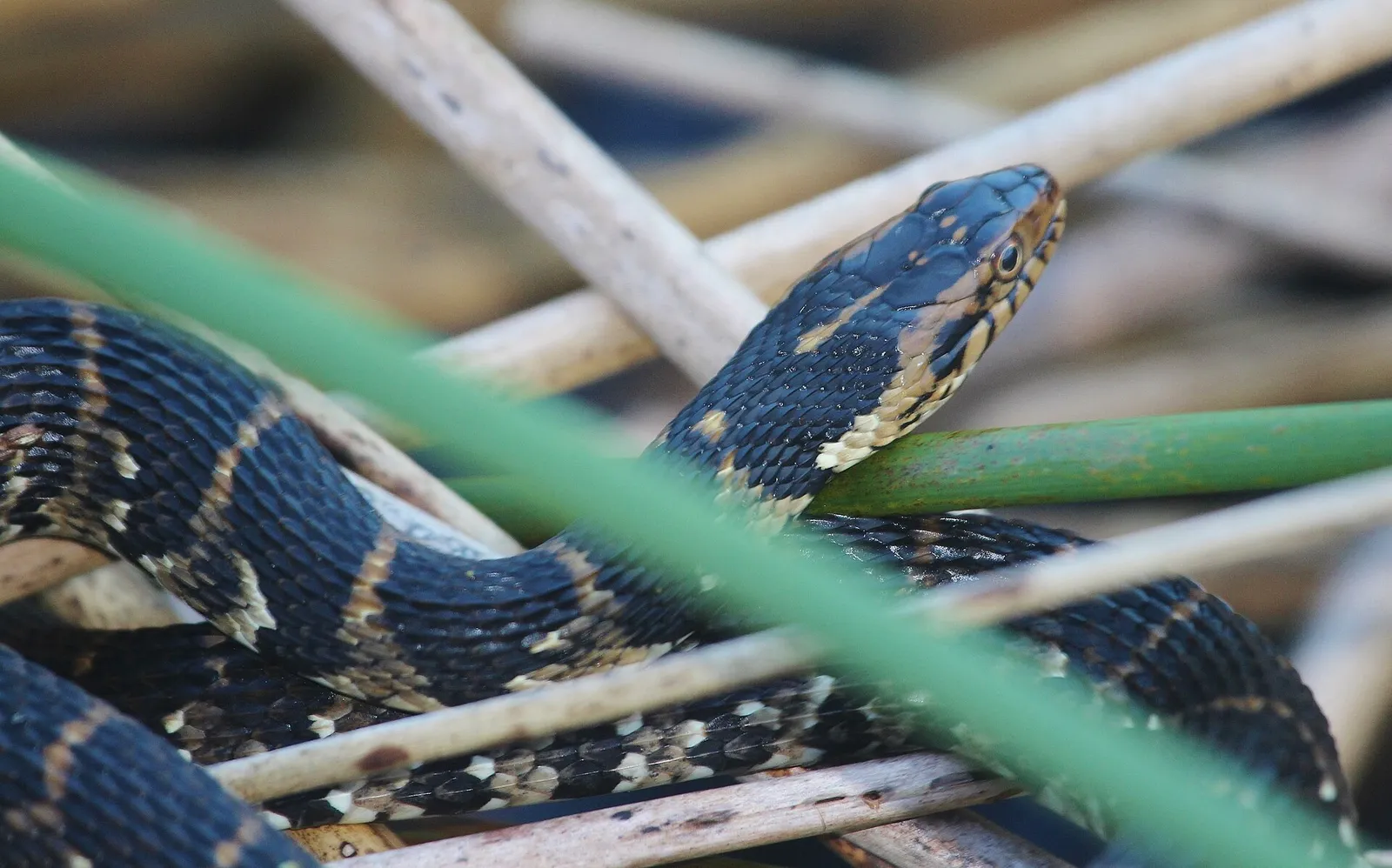
Banded Water Snake
NON-VENOMOUSBanded Water Snake
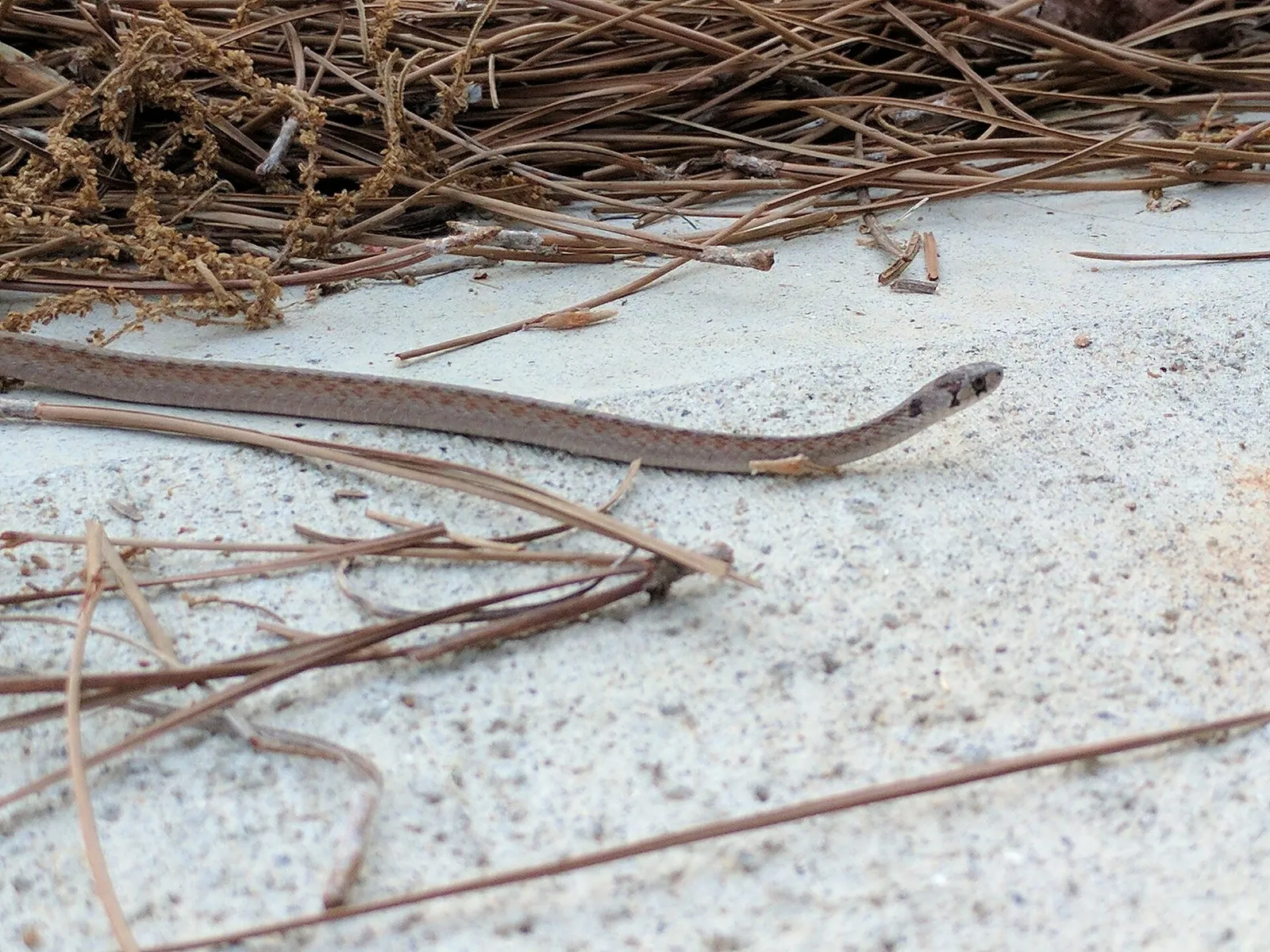
Pinewoods Litter Snake
NON-VENOMOUSPinewoods Litter Snake
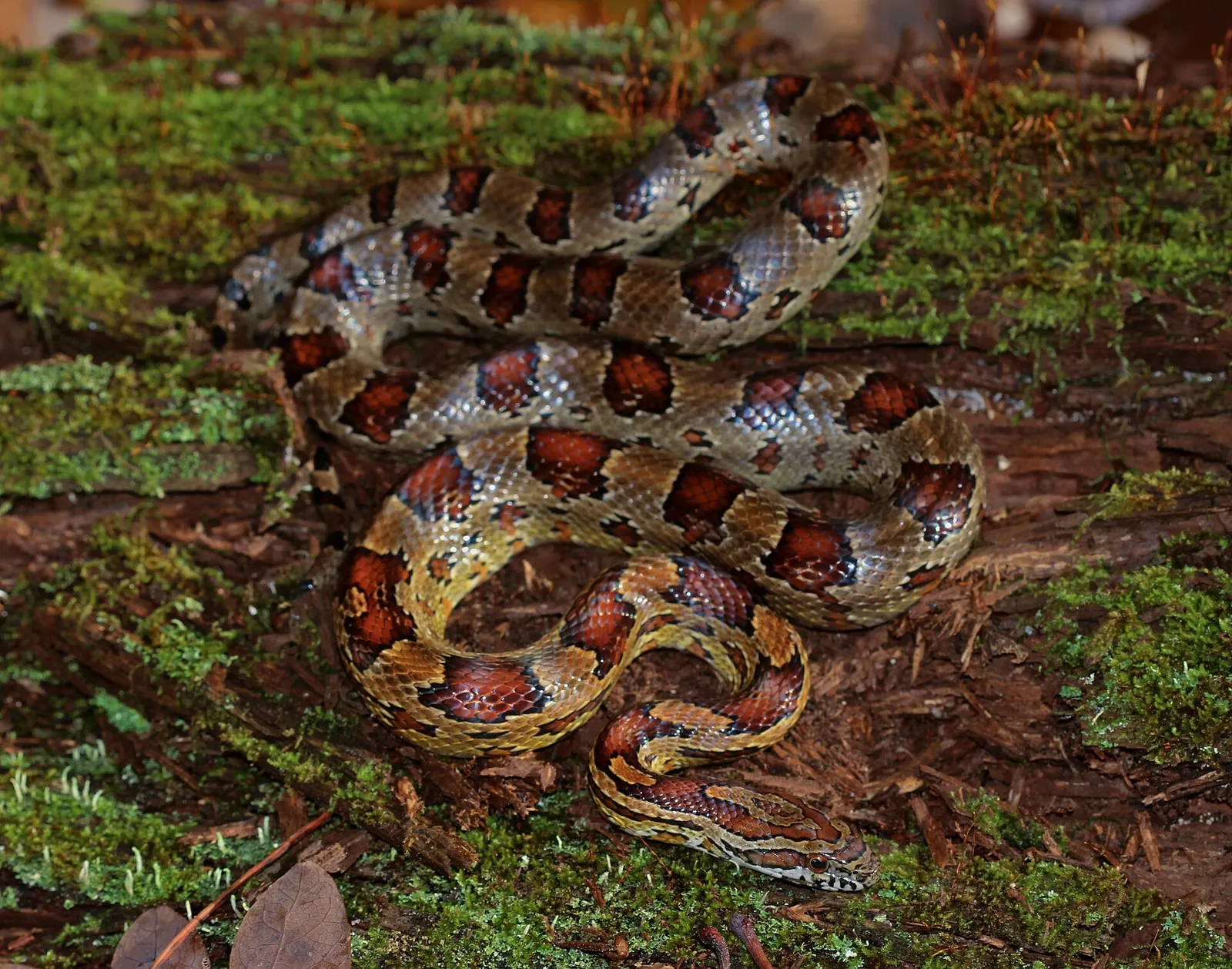
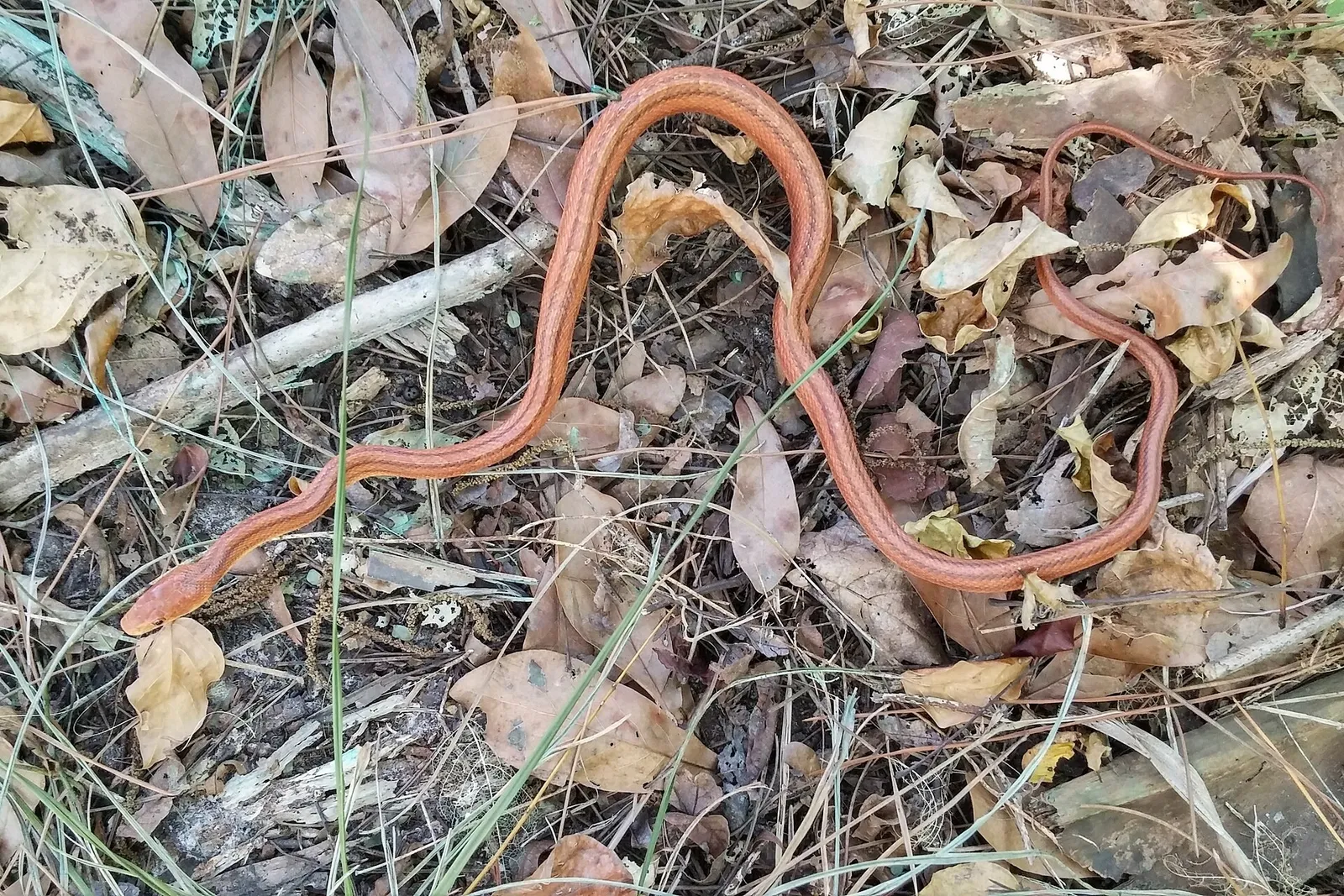
Corn Snake
NON-VENOMOUSCorn Snake

Snakes Play an Important Role in Florida’s Ecosystems

Snakes are important to the Florida environment.

Snakes serve as prey to many animals, including alligators, hawks, and wading birds and others.

Snakes eat small animals, such as mice and rats, insects, lizards, frogs, and other snakes.

Snakes are essential links in aquatic and ground-based food chains. Snakes’ diets help to control the rodent populations which, in turn helps curb the spread of diseases rodents carry, like Lyme Disease. One snake can remove over 1,000 ticks from our environment every year by eating the rats and mice to which they attach themselves.
AlligatorsHawksWading birds
eat ↓
Snake
eat ↓
Mice & ratsInsectsLizardsFrogsOther snakes
0+ ticks removed
per snake, every year

Some Threats to Snakes
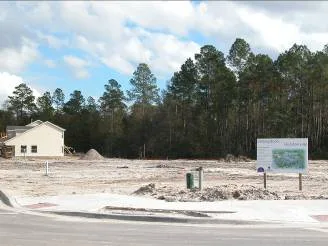
Cleared land for a new development
Habitat loss
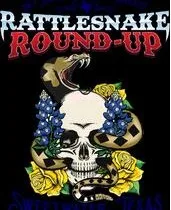
Rattlesnake round-up poster
Persecution
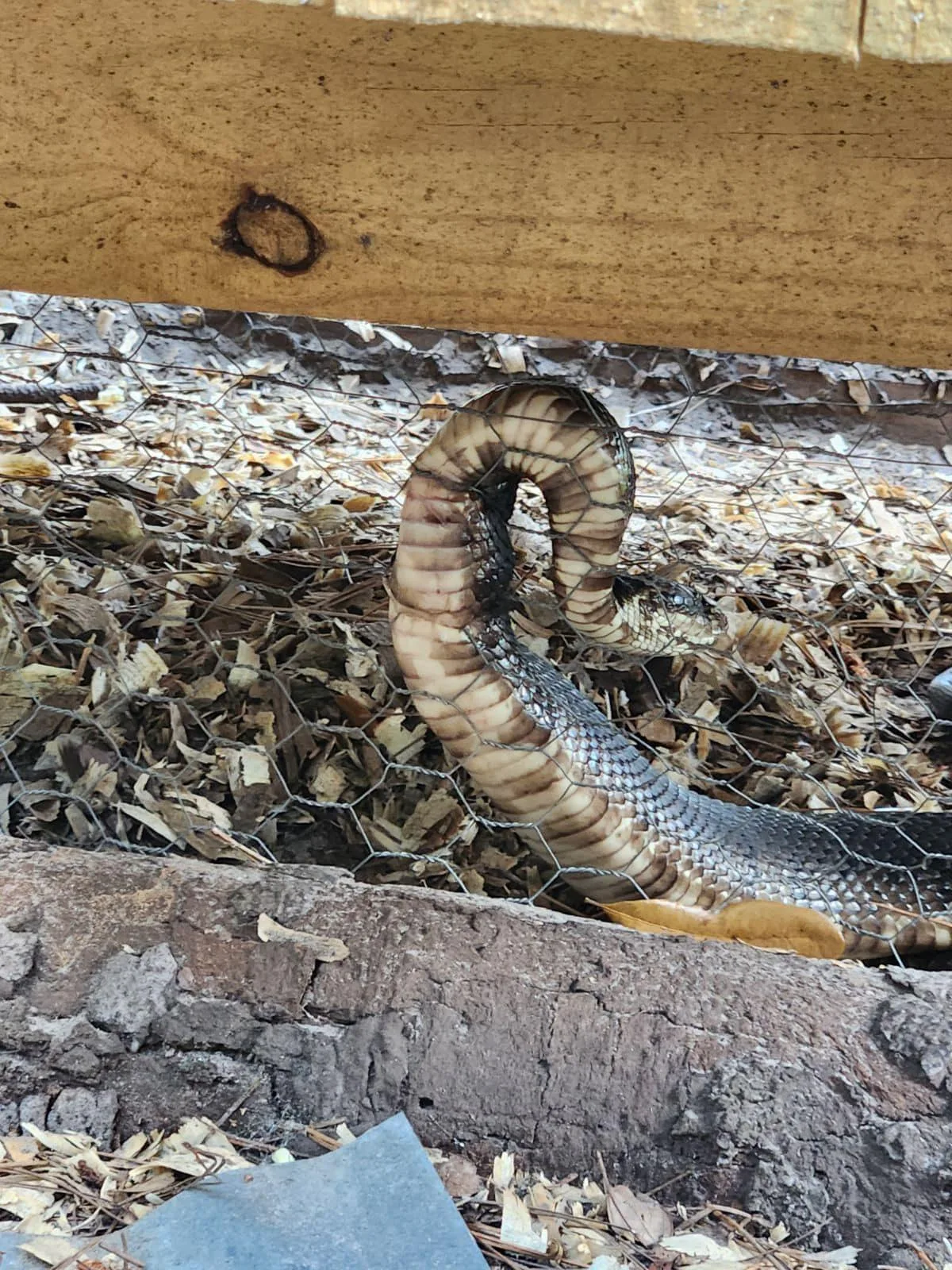
Snake caught in debris
Human Interference
6

Venomous Species
(5 in NE Florida)

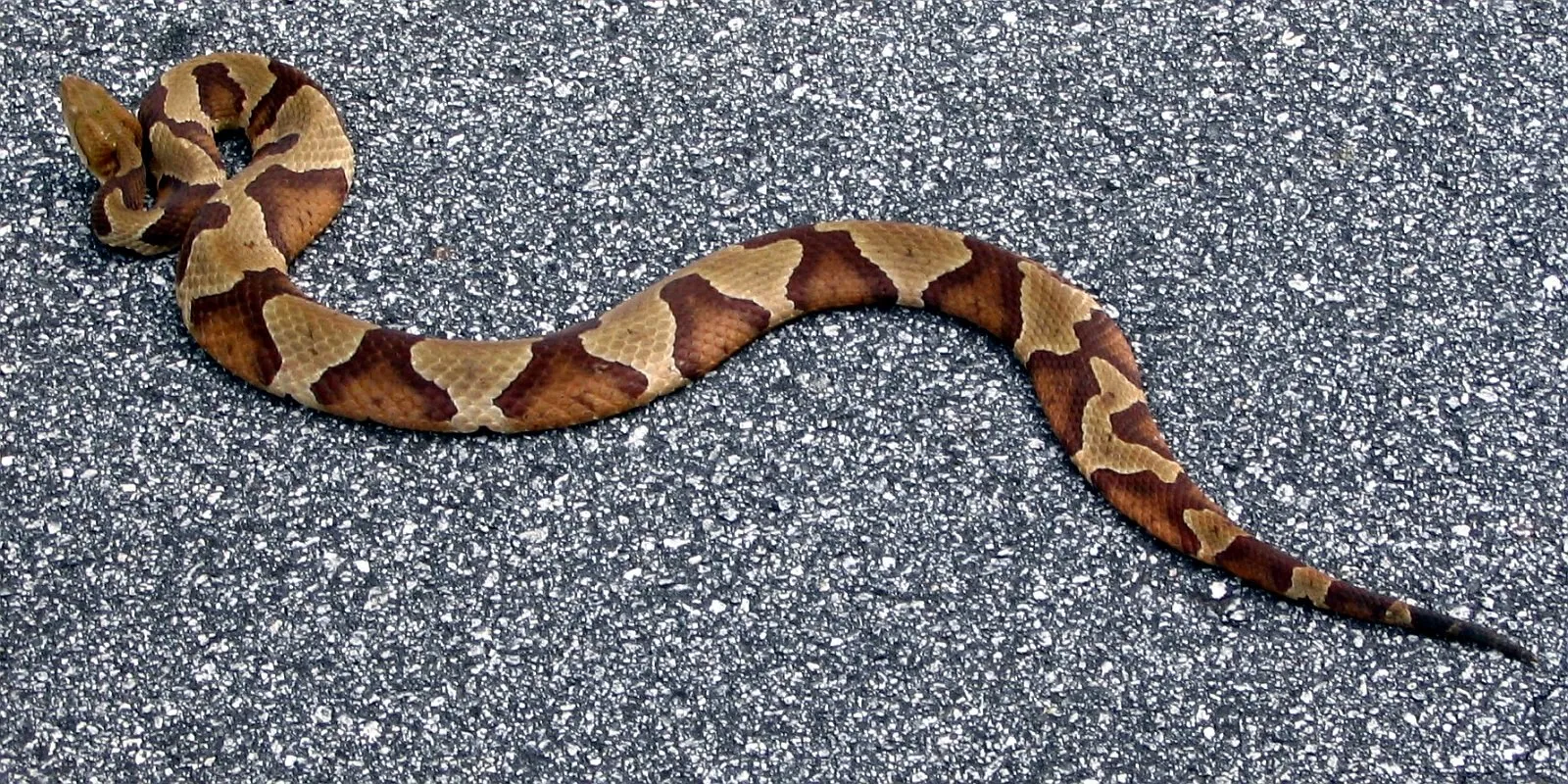
CopperheadPanhandle only
VENOMOUSCopperhead
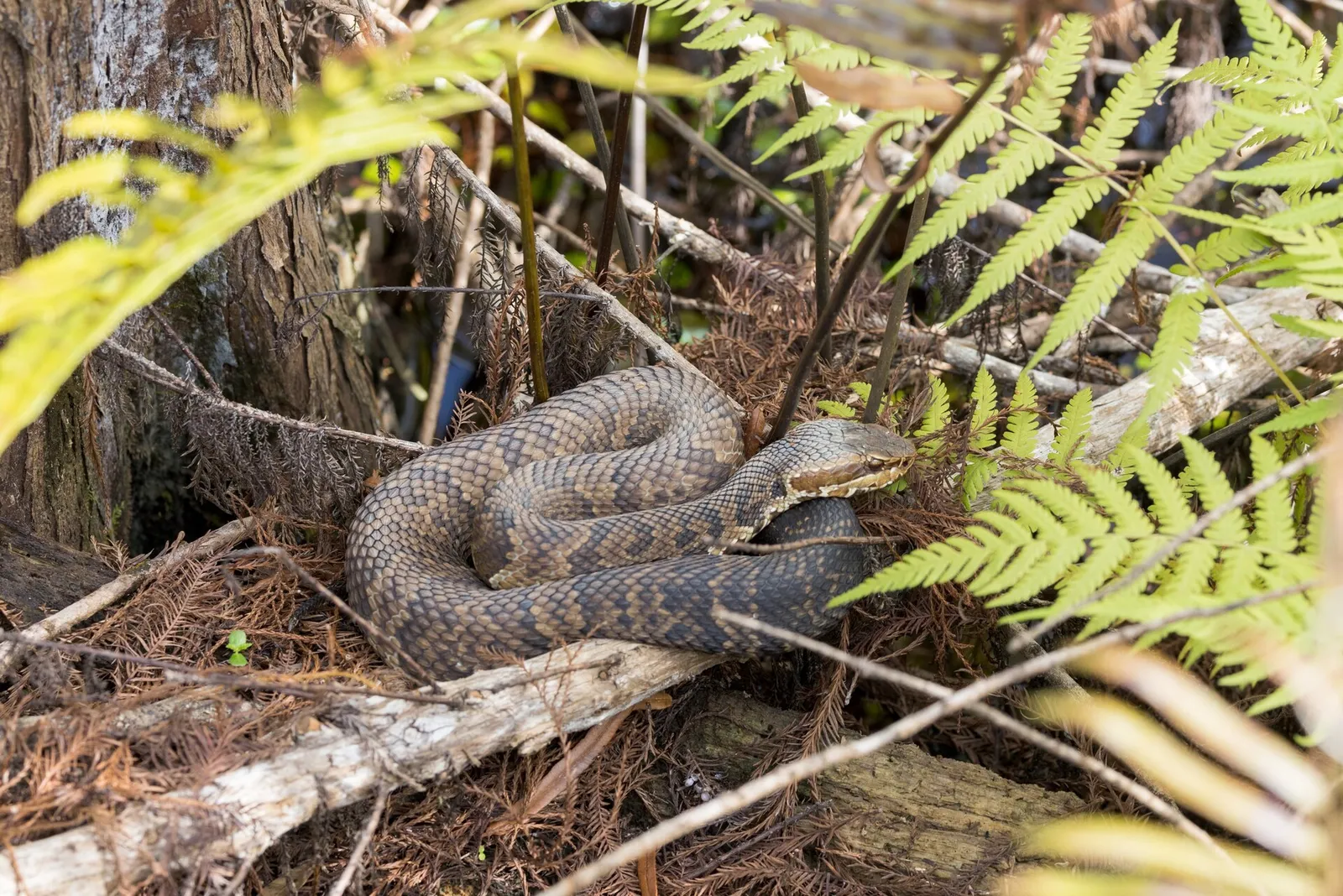
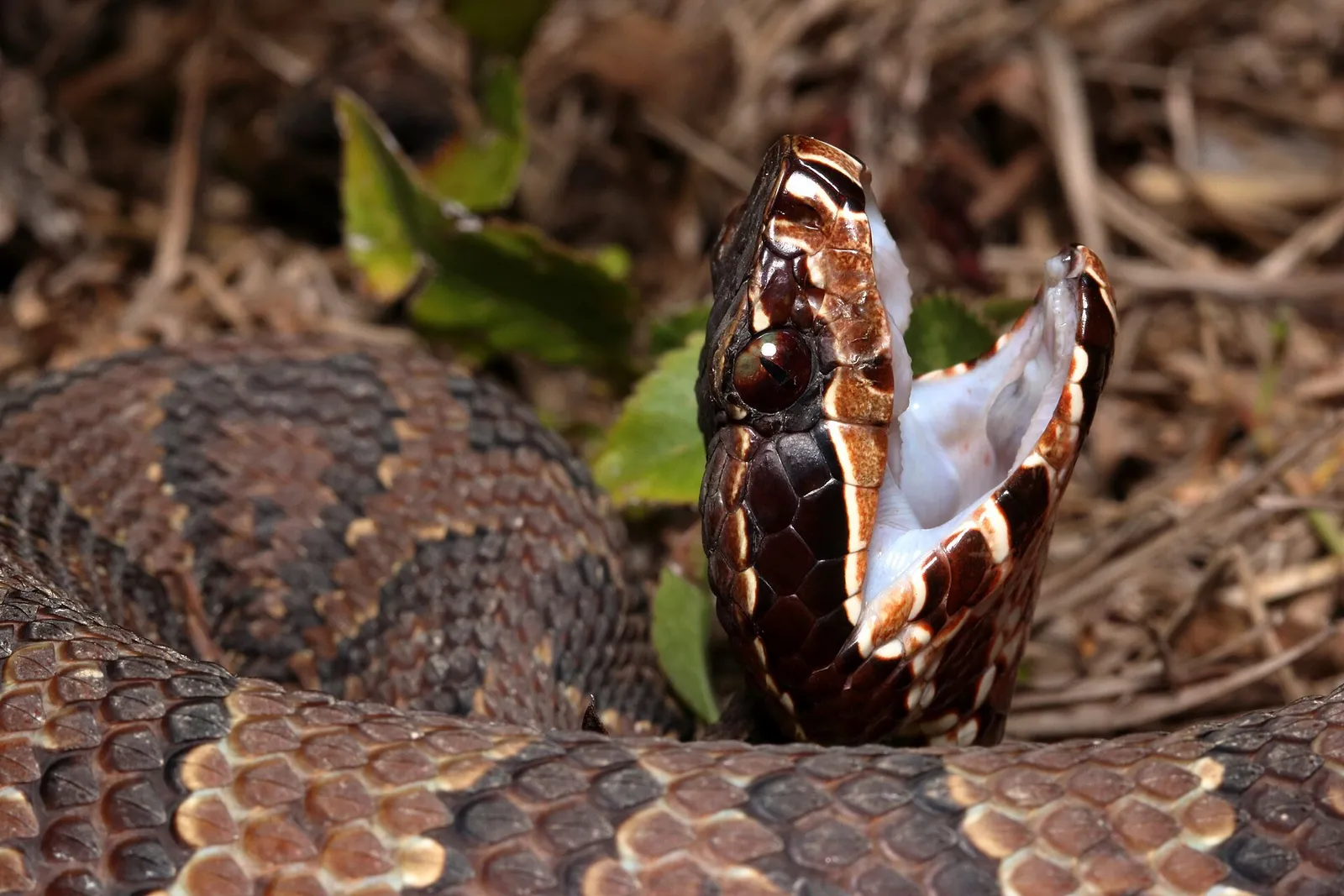
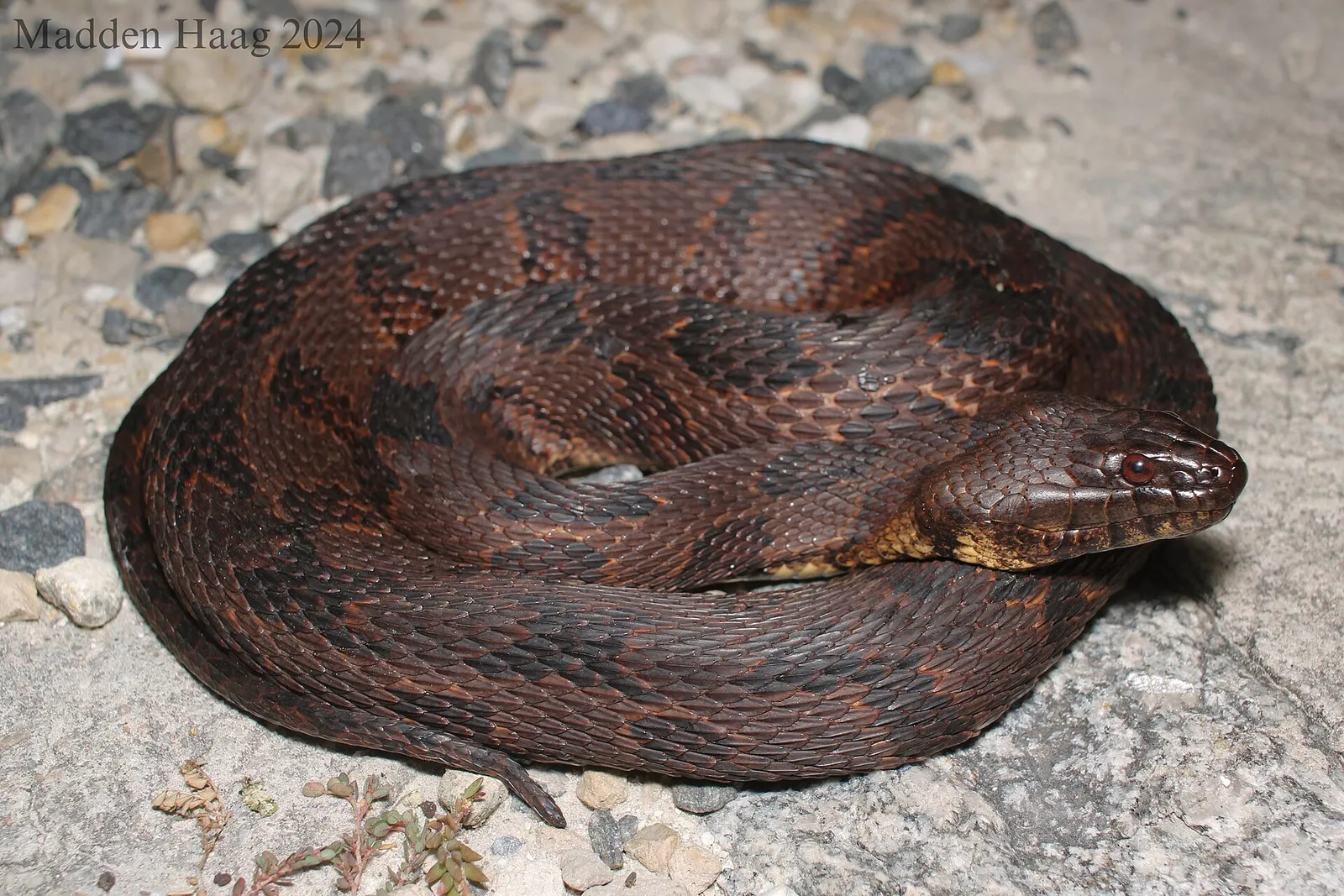
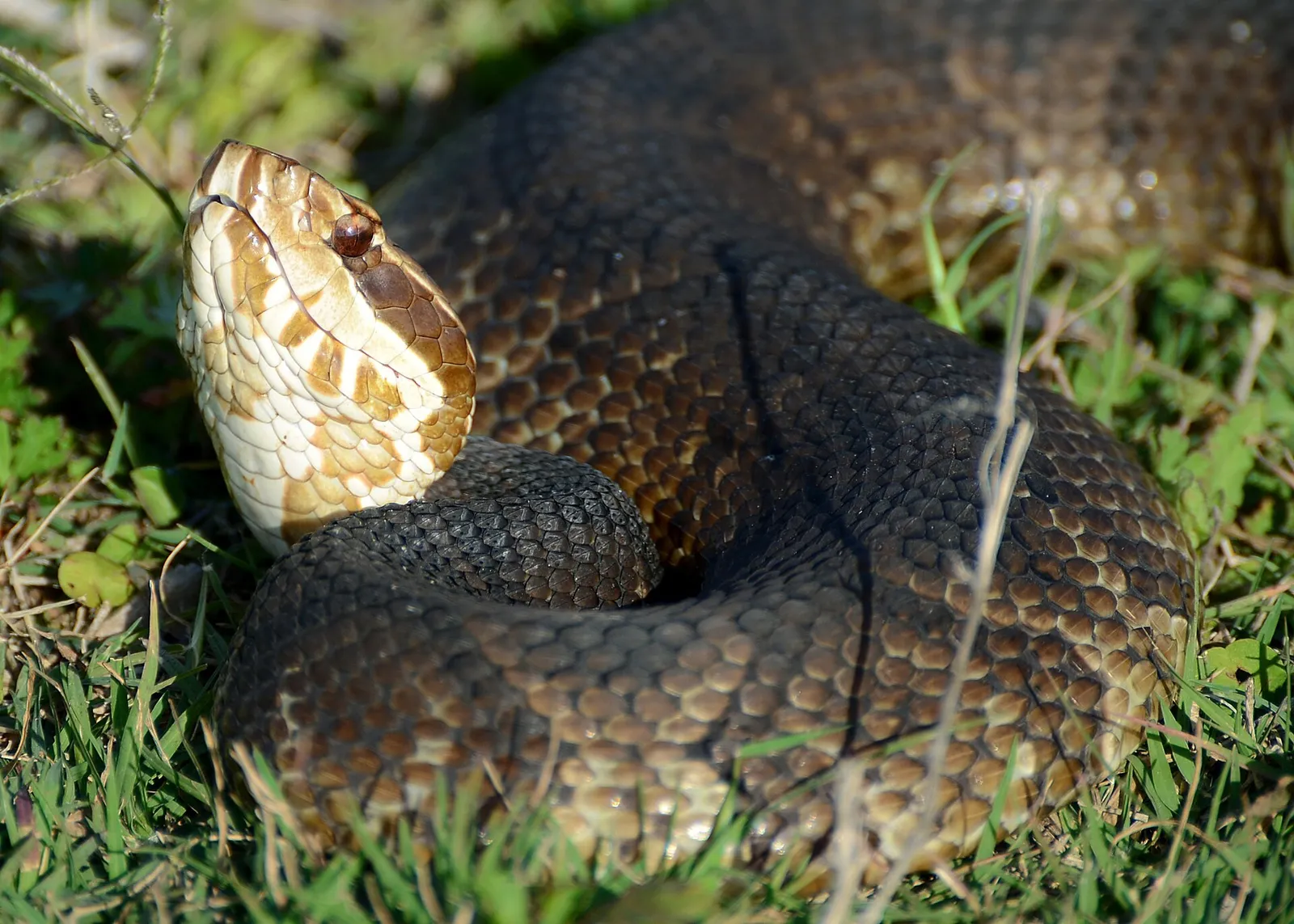
Cottonmouth
VENOMOUSCottonmouth
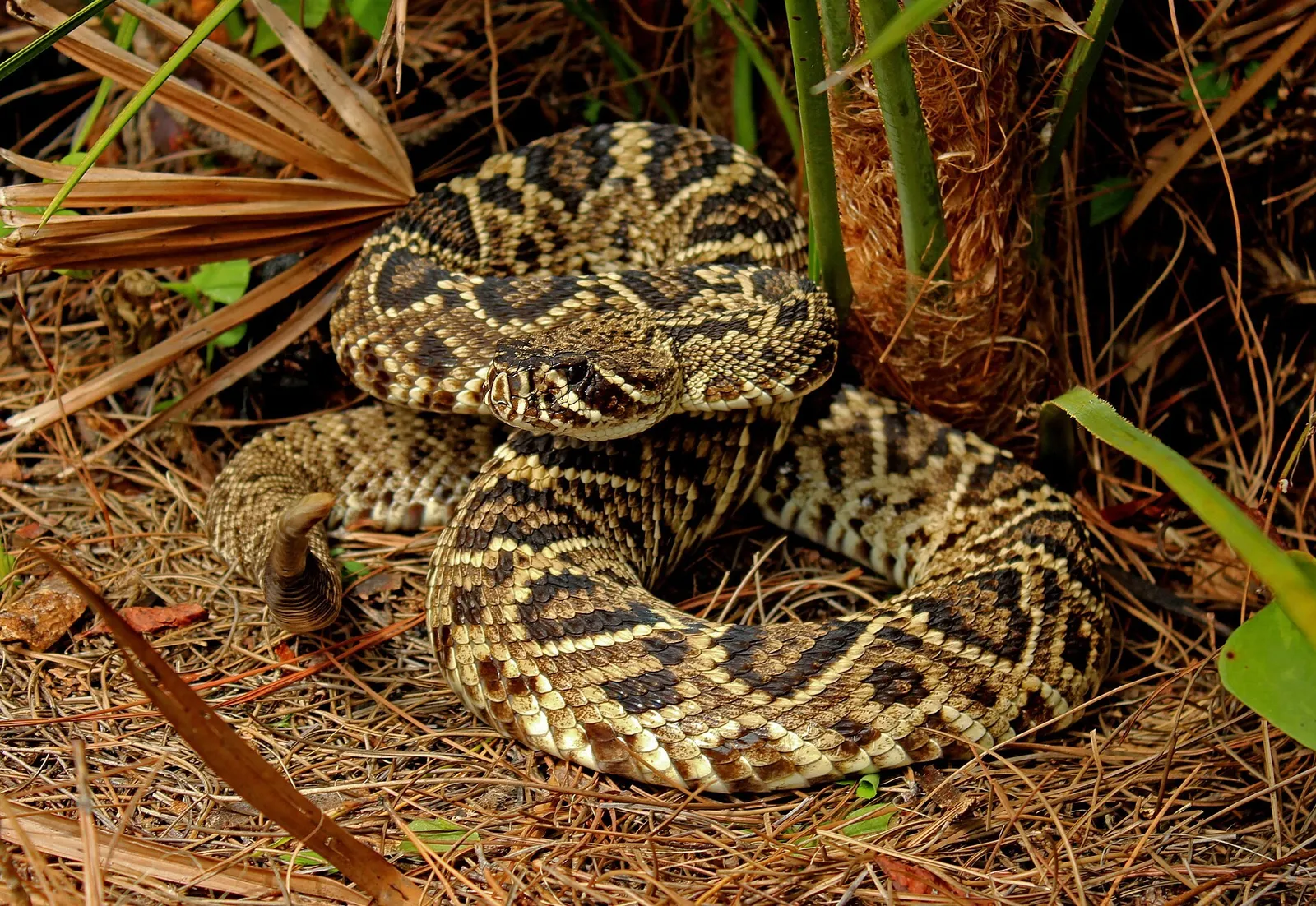
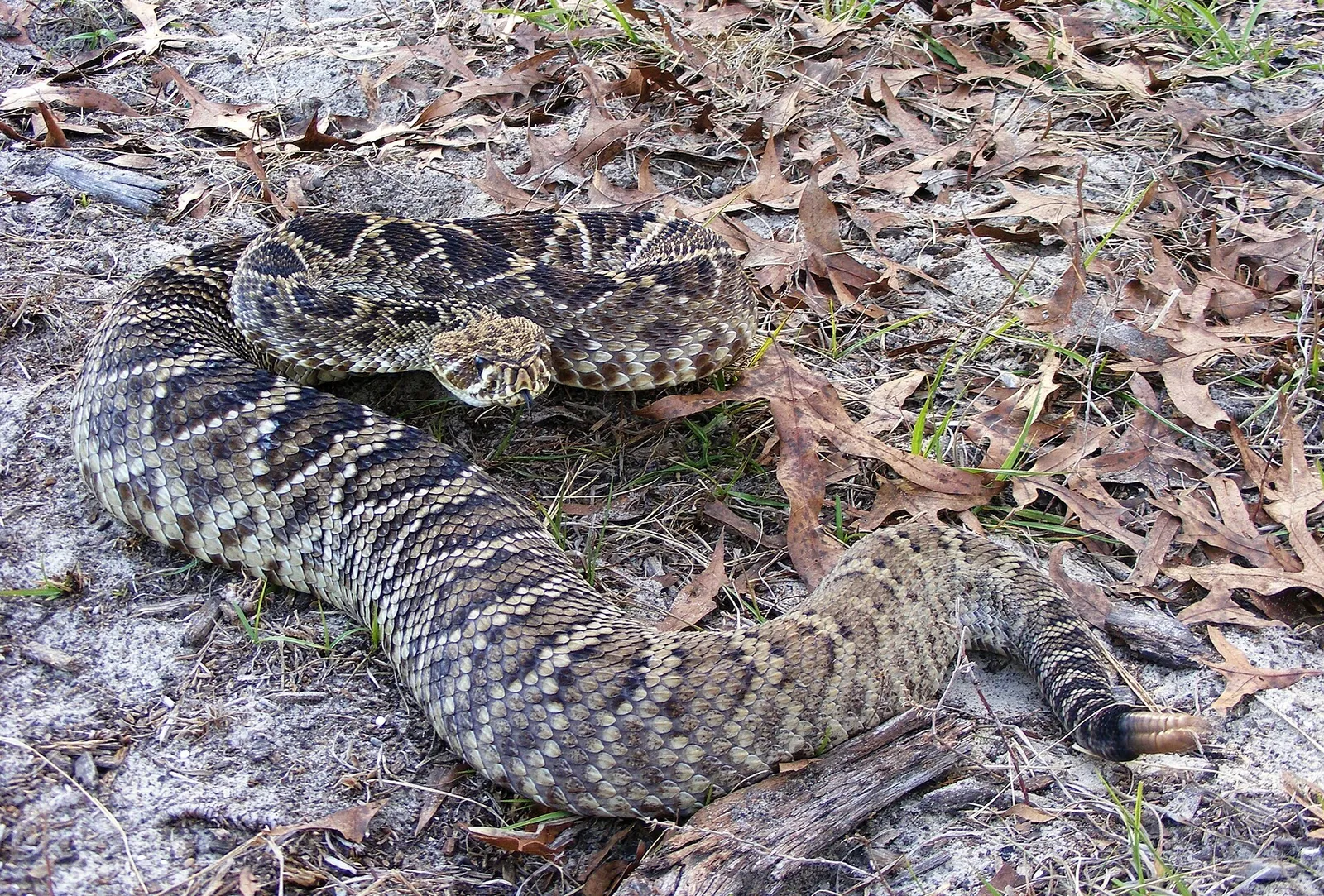
Eastern Diamondback Rattlesnake
VENOMOUSEastern Diamondback Rattlesnake
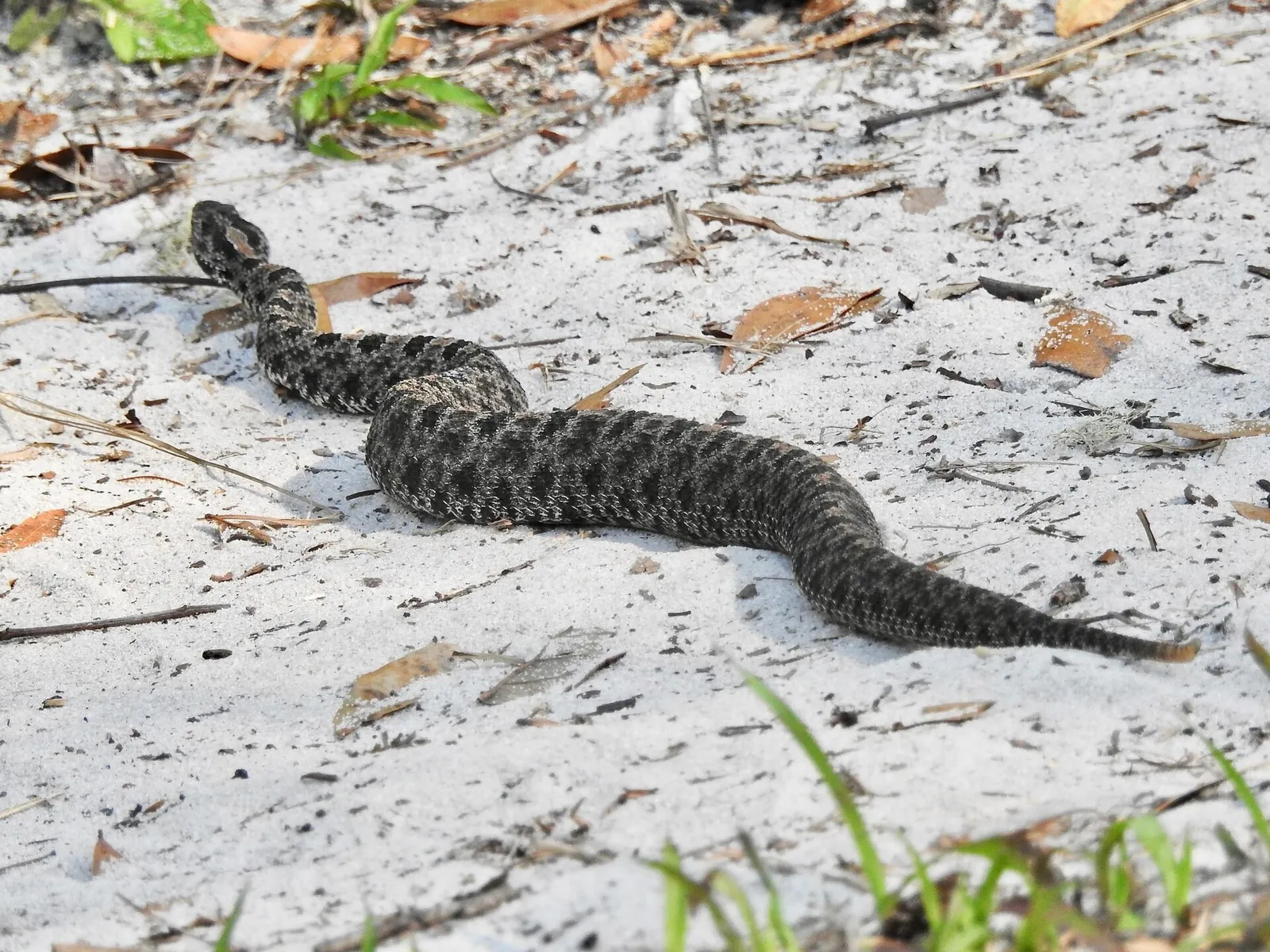
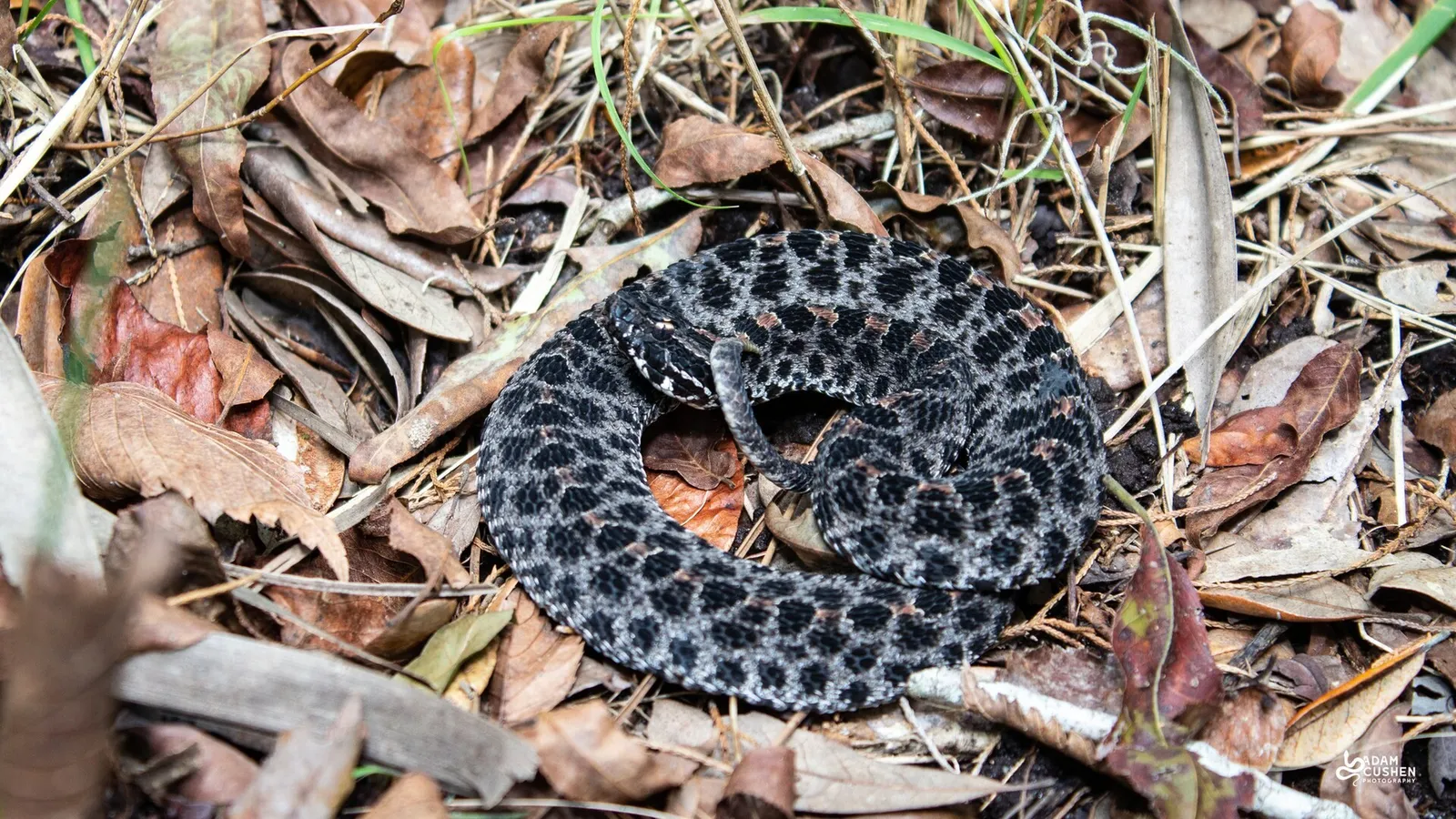
Pygmy Rattlesnake
VENOMOUSPygmy Rattlesnake
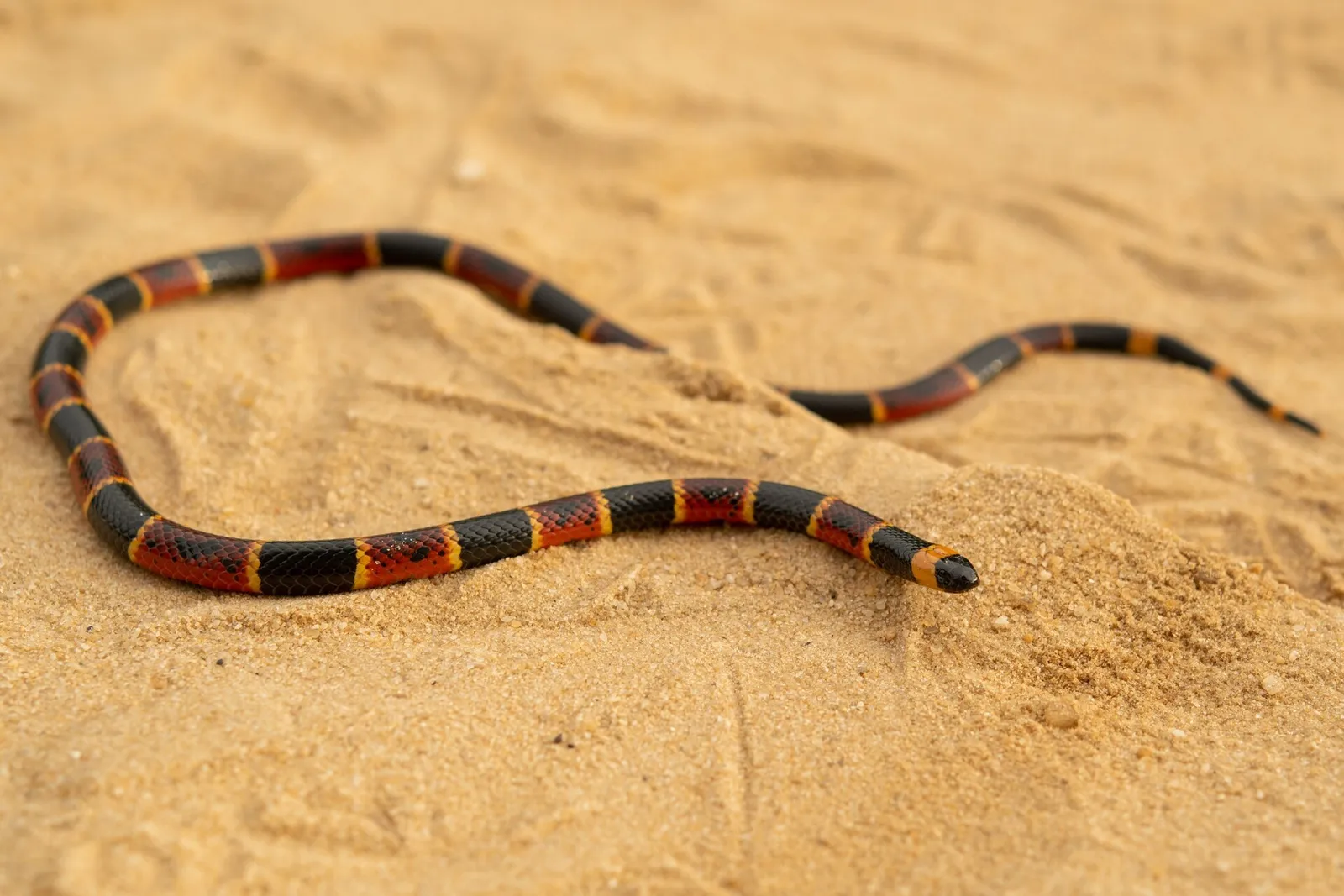
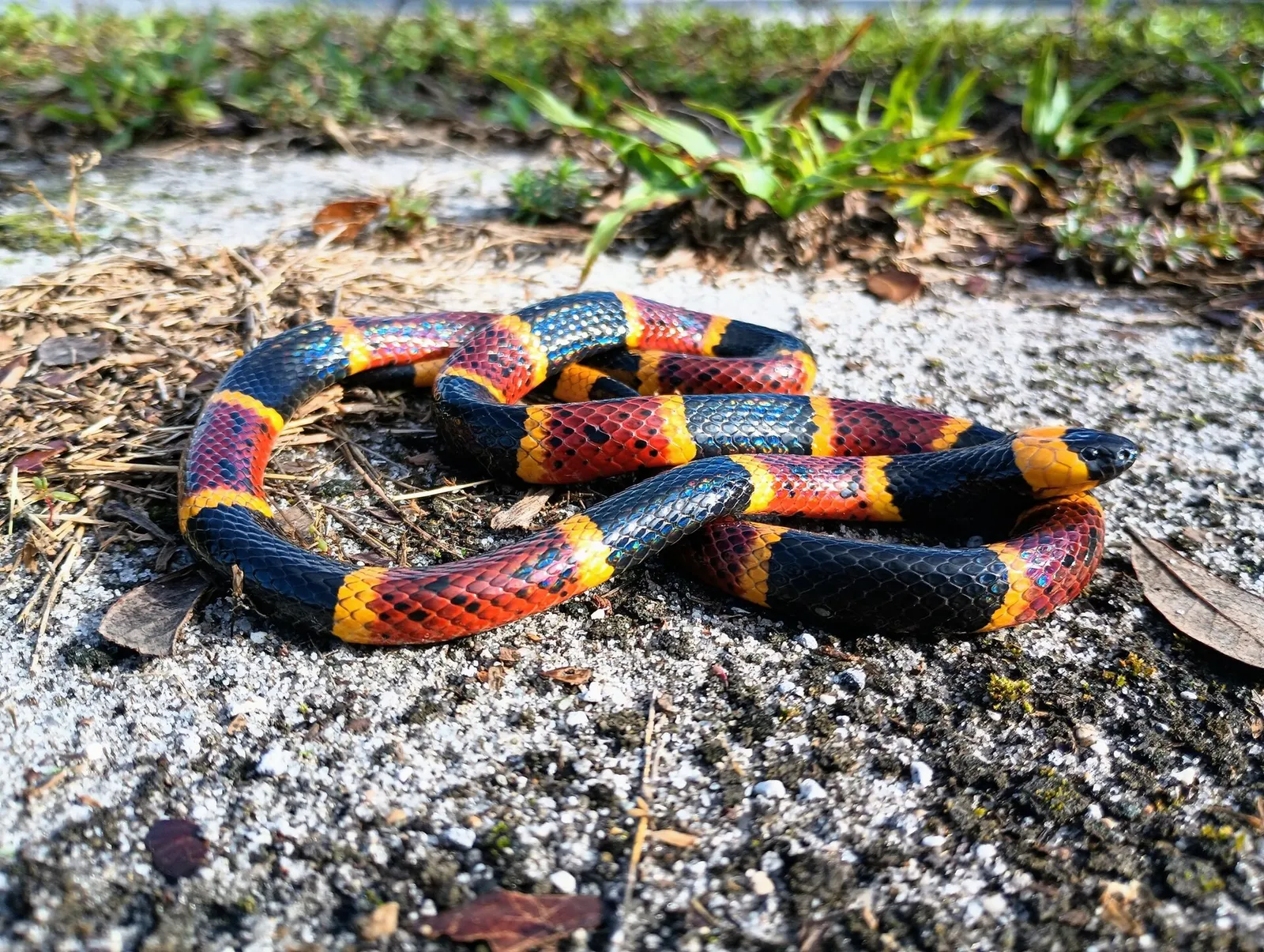
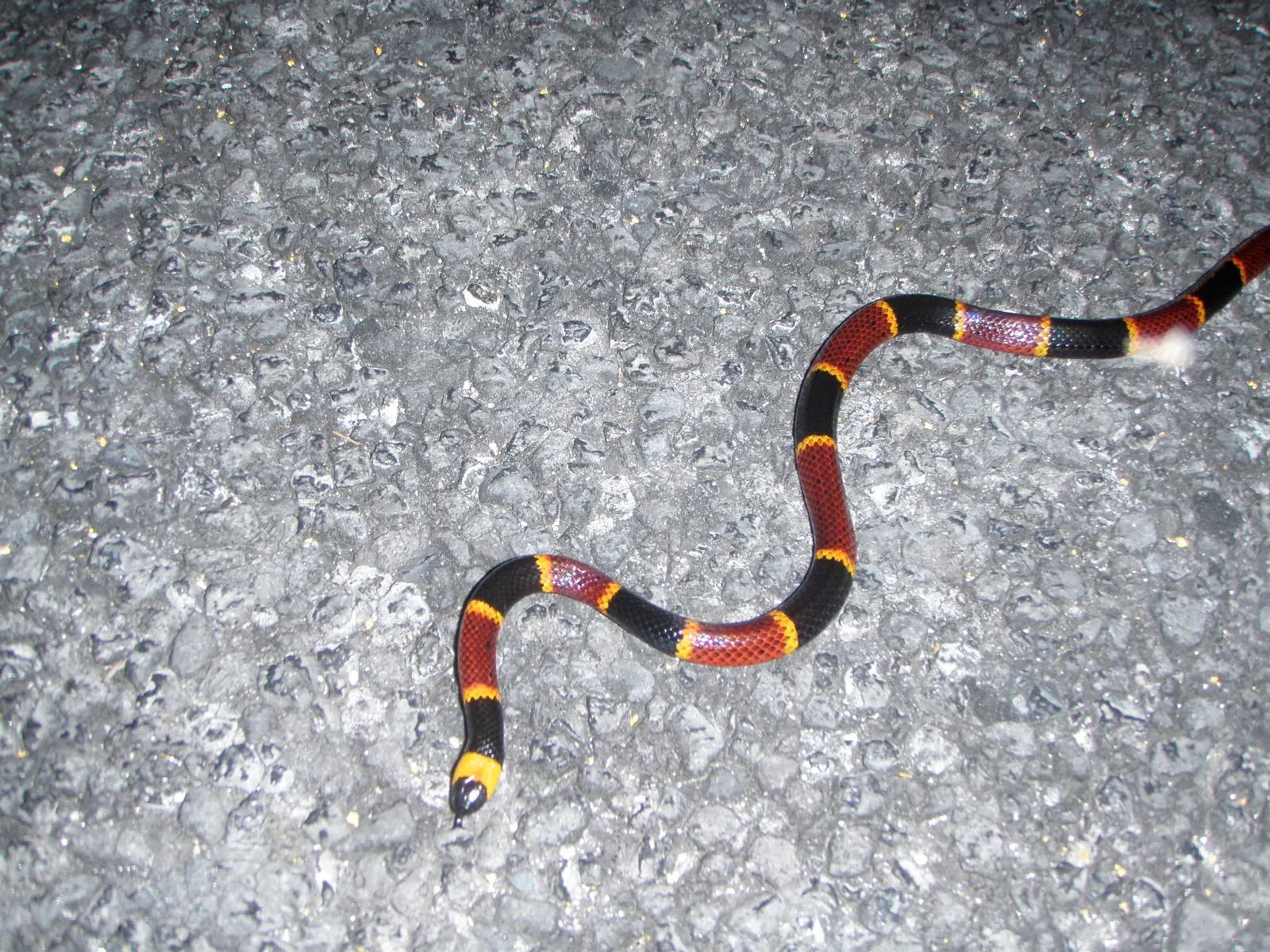
Coral Snake
VENOMOUSCoral Snake
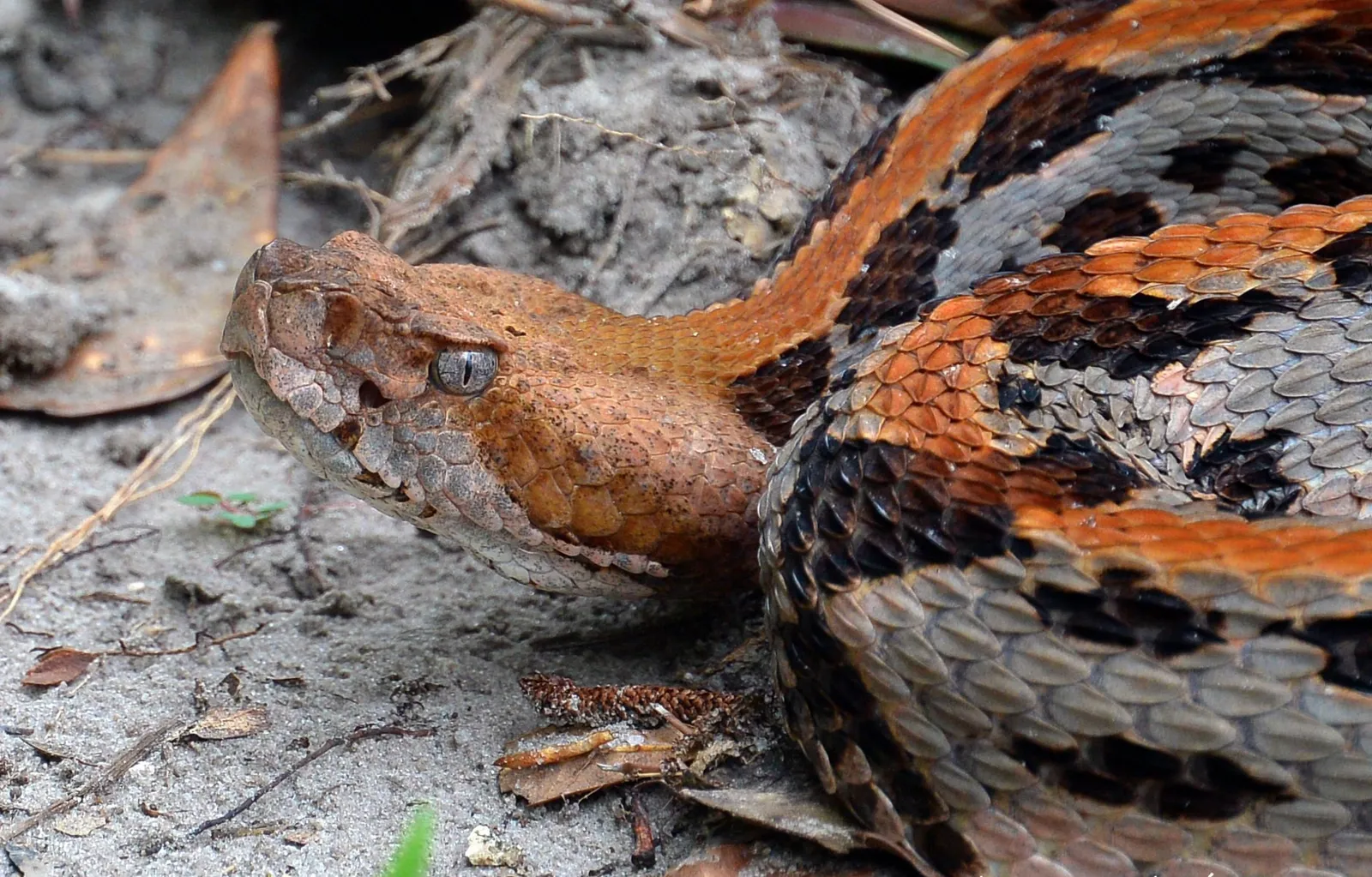
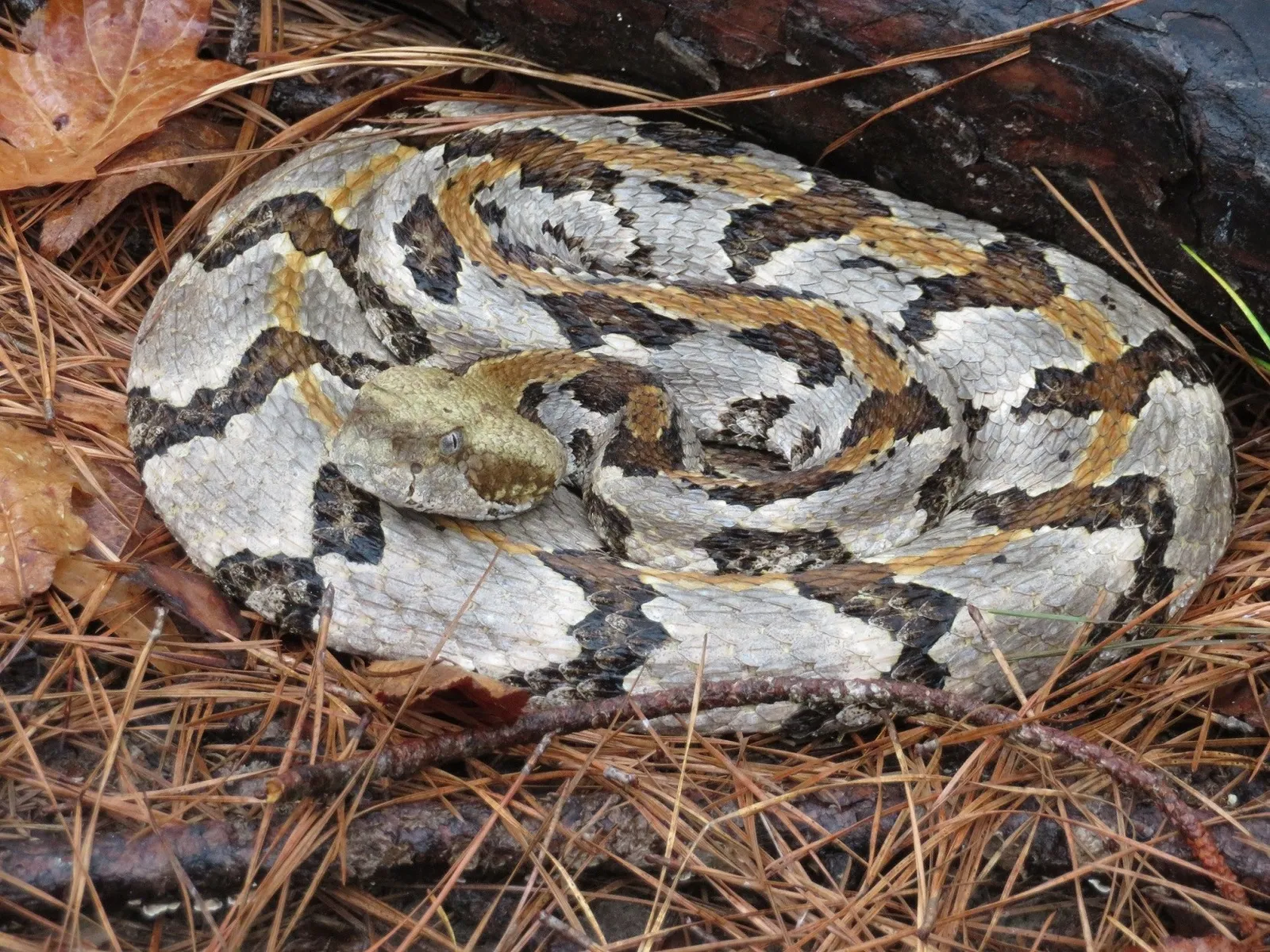
Timber Rattlesnake
VENOMOUSTimber Rattlesnake
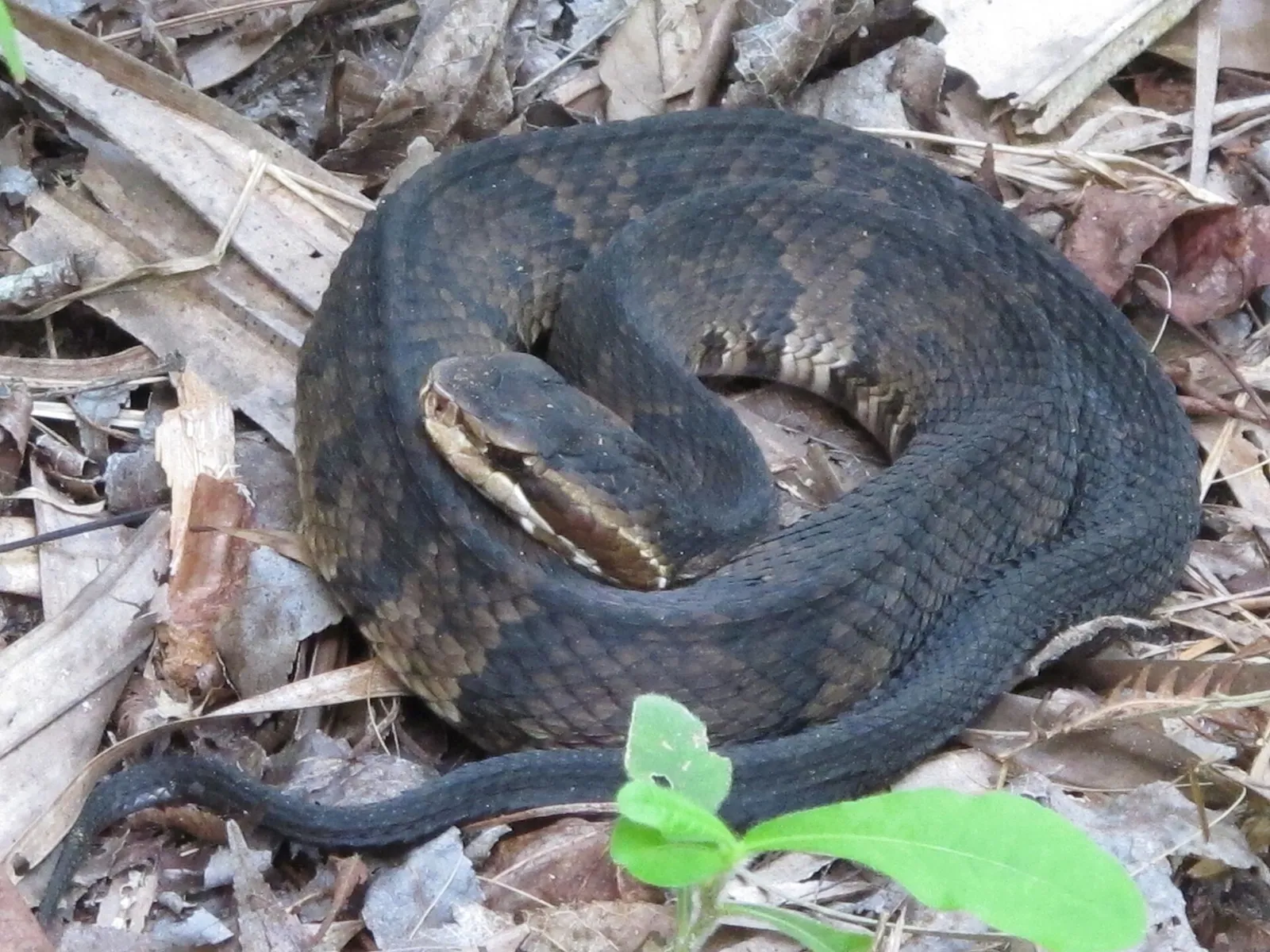
Cottonmouth / Water Moccasinscott.zona · CC BY 2.0
VENOMOUS

Cottonmouth / Water Moccasin

Distribution in Florida:Entire State
Cottonmouth / Water MoccasinCottonmouth / Water Moccasin
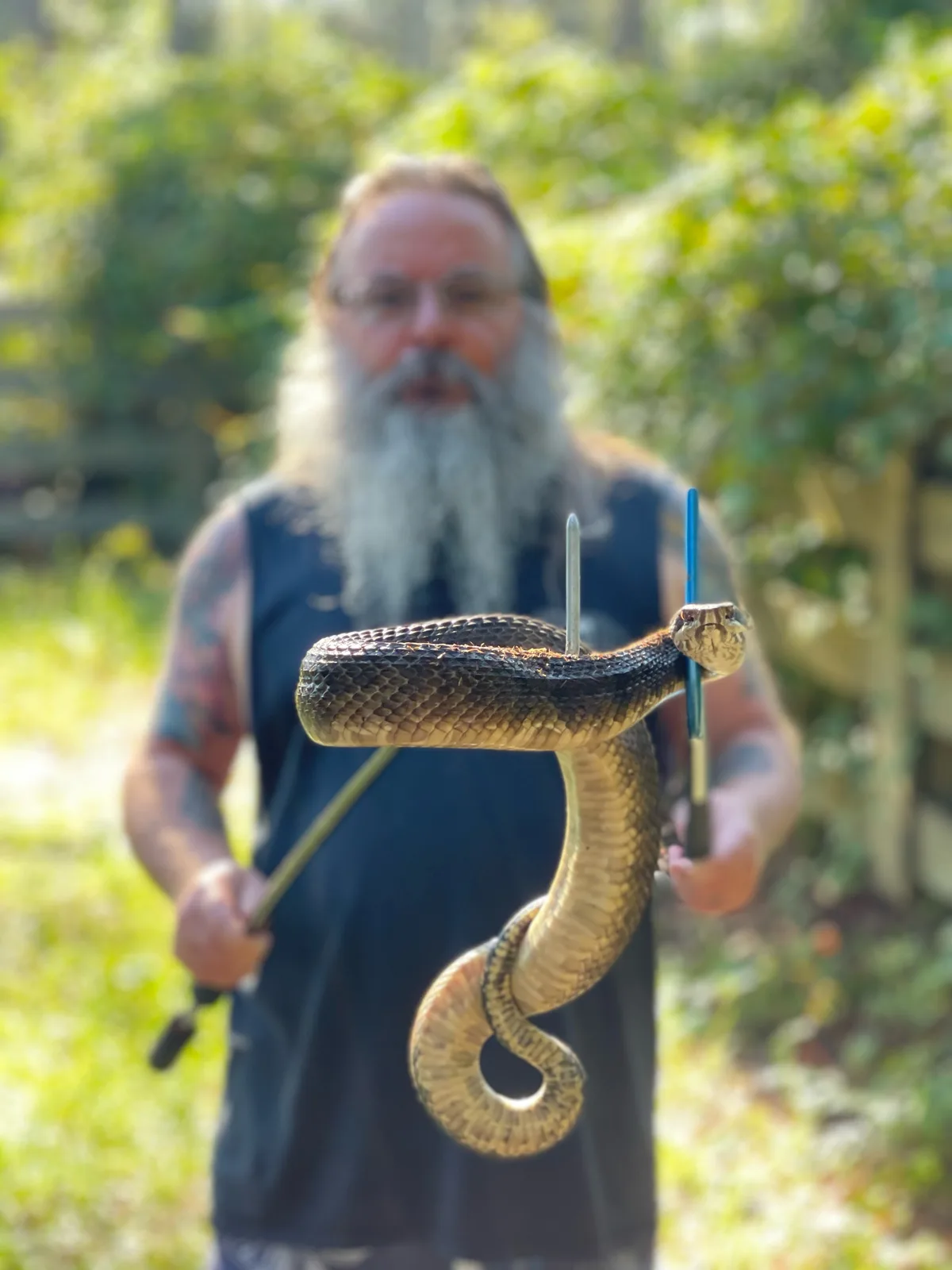
A relocator safely handling a snake
From the field

NON-VENOMOUS Watersnakes

These snakes are often confused with venomous water moccasins.

They are harmless!!!
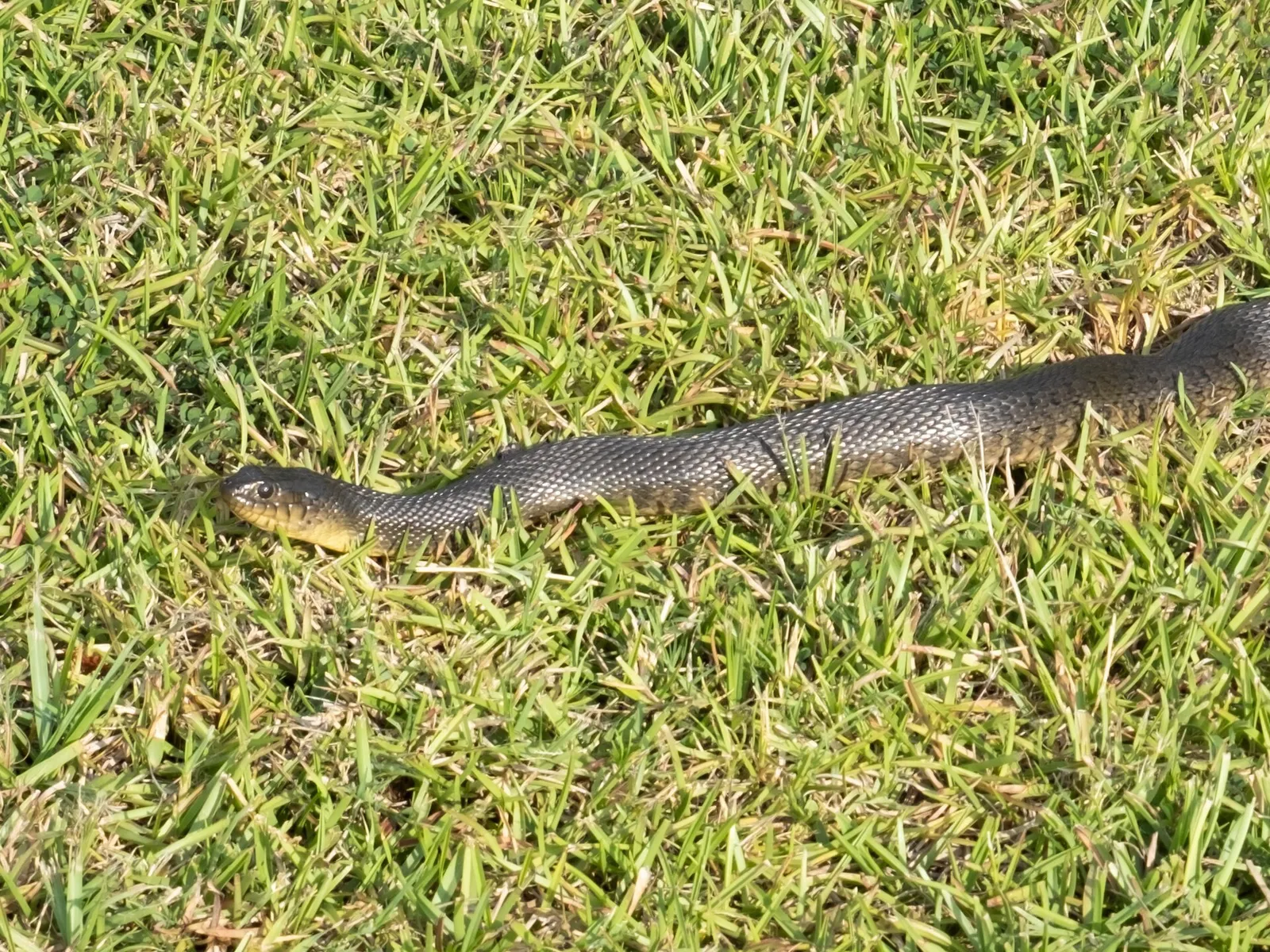
Florida Green Watersnake
Brown Watersnake
Brown Watersnake
Banded Watersnakes
Banded Watersnakes
Watersnake face
Bands on mouth = Watersnake
Cottonmouth face
Bar across eye, no bands on mouth = Cottonmouth
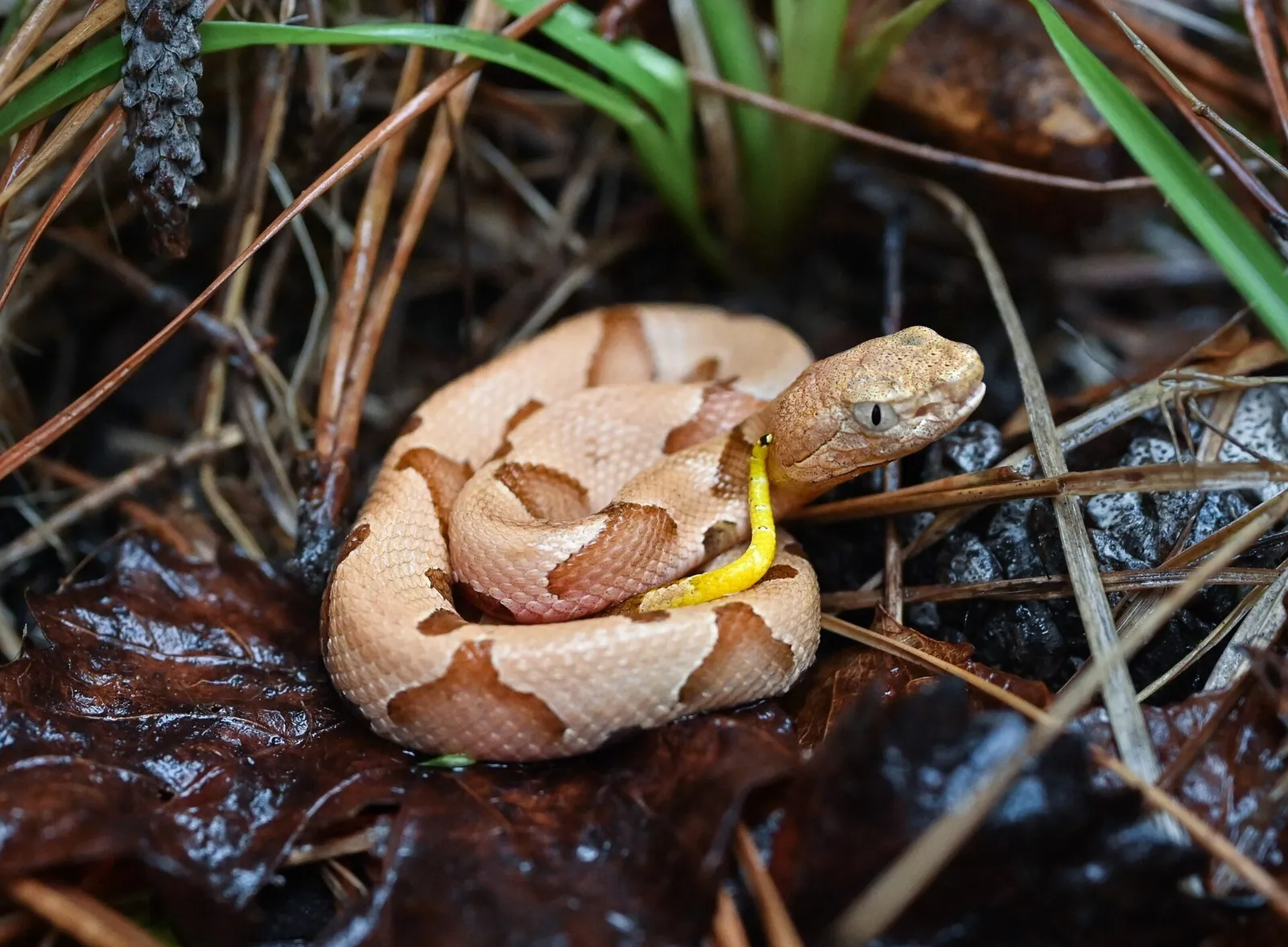
CopperheadAlan Rockefeller · CC BY 4.0
VENOMOUS

Copperhead

Distribution in Florida:Panhandle
Copperhead
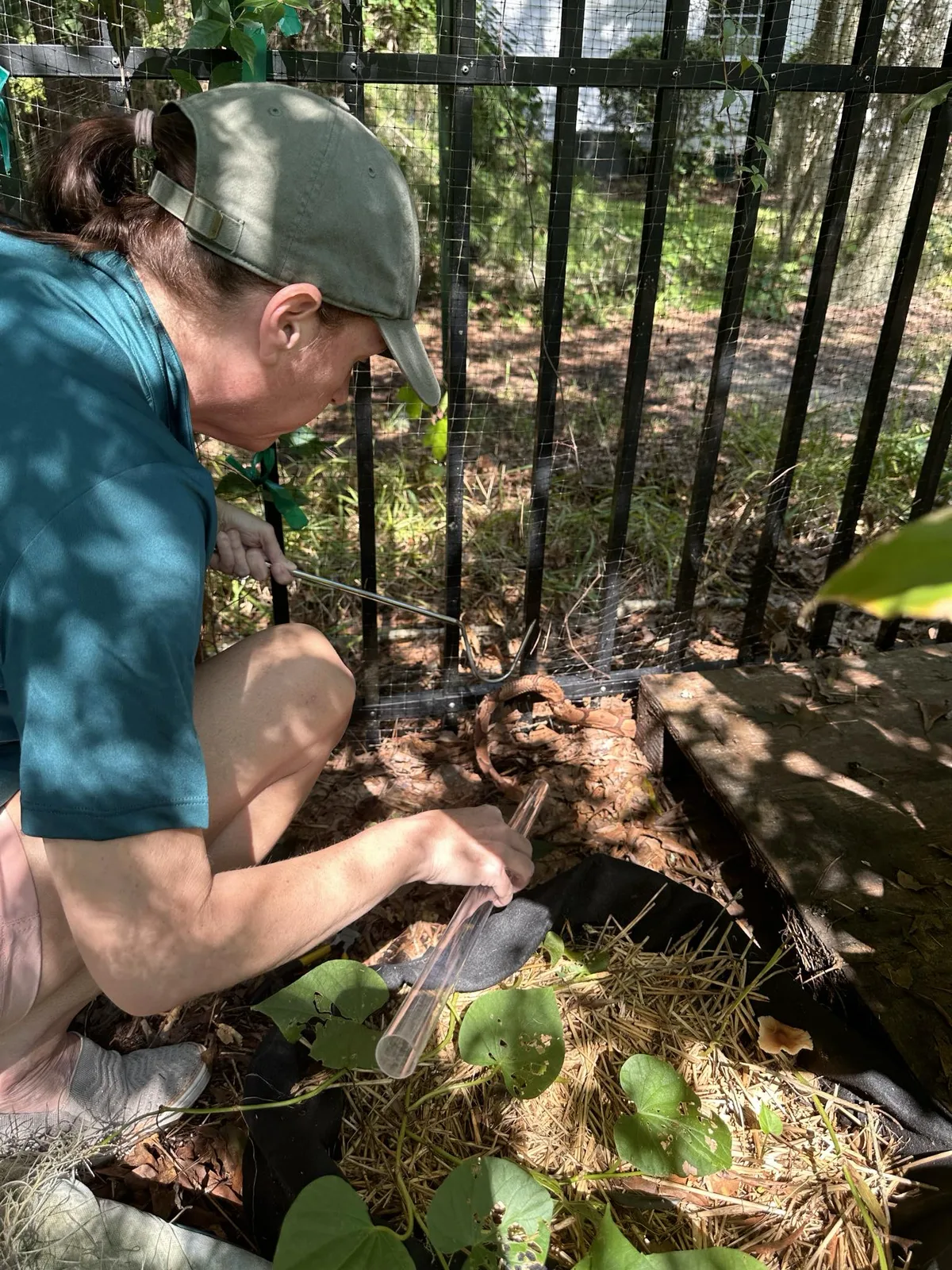
A relocator at work
From the field
Eastern Diamondback RattlesnakePeter Paplanus from St. Louis, Missouri · CC BY 2.0
VENOMOUS

Eastern Diamondback Rattlesnake

Distribution in Florida:Entire State
Eastern Diamondback Rattlesnake
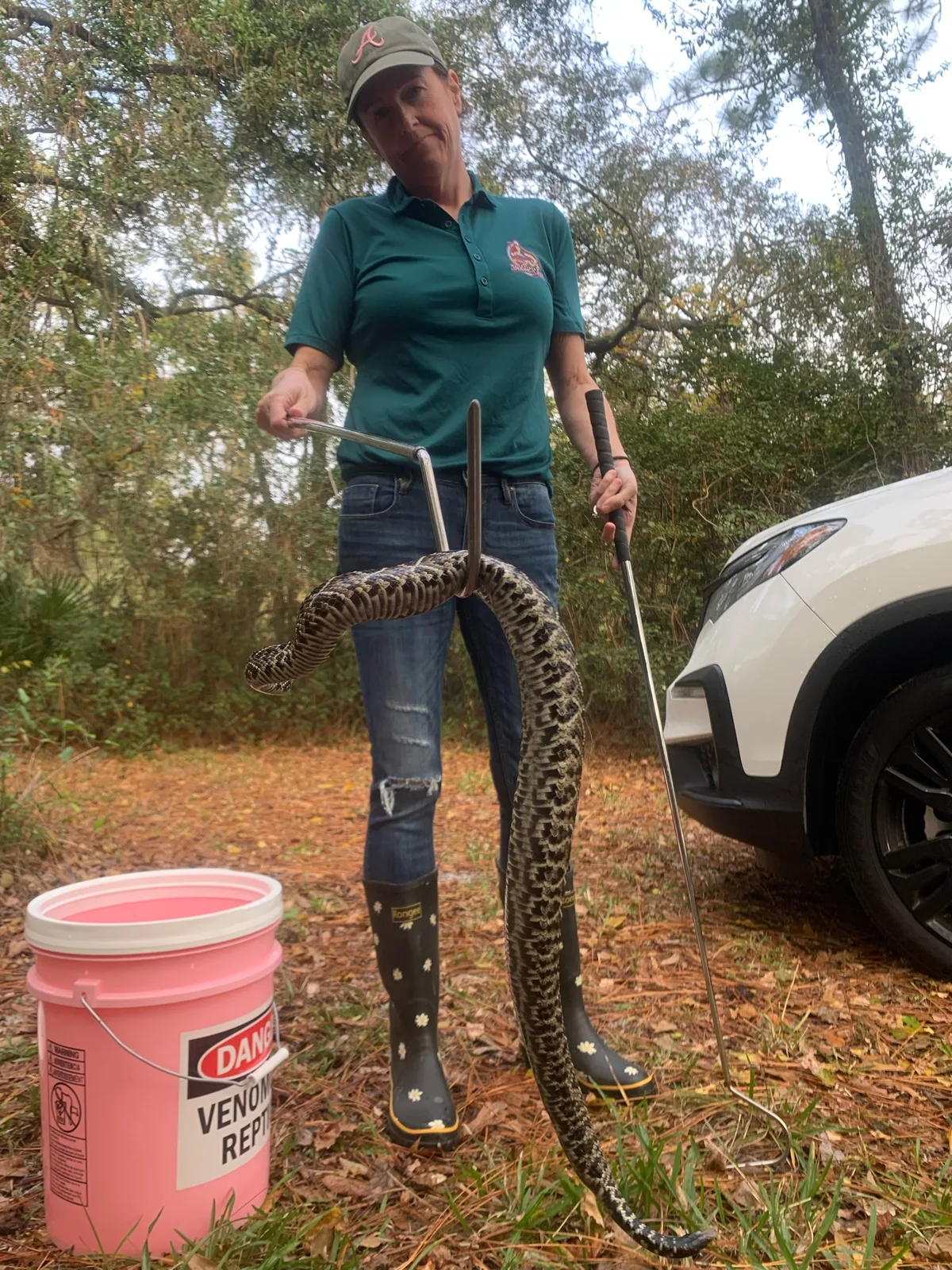
A relocator with an eastern diamondback
From the field
Timber RattlesnakeGlenn Bartolotti · CC BY-SA 4.0
VENOMOUS

Timber Rattlesnake

Distribution in Florida:North Florida & Panhandle
Timber Rattlesnake
Pygmy RattlesnakeLaura Gaudette · CC BY 4.0
VENOMOUS

Pygmy Rattlesnake

Distribution in Florida:Entire State
Pygmy Rattlesnake
Coral Snake(c) Court Harding, some rights reserved (CC BY) · CC BY 4.0
VENOMOUS

Coral Snake

Distribution in Florida:Entire State
Coral SnakeCoral Snake
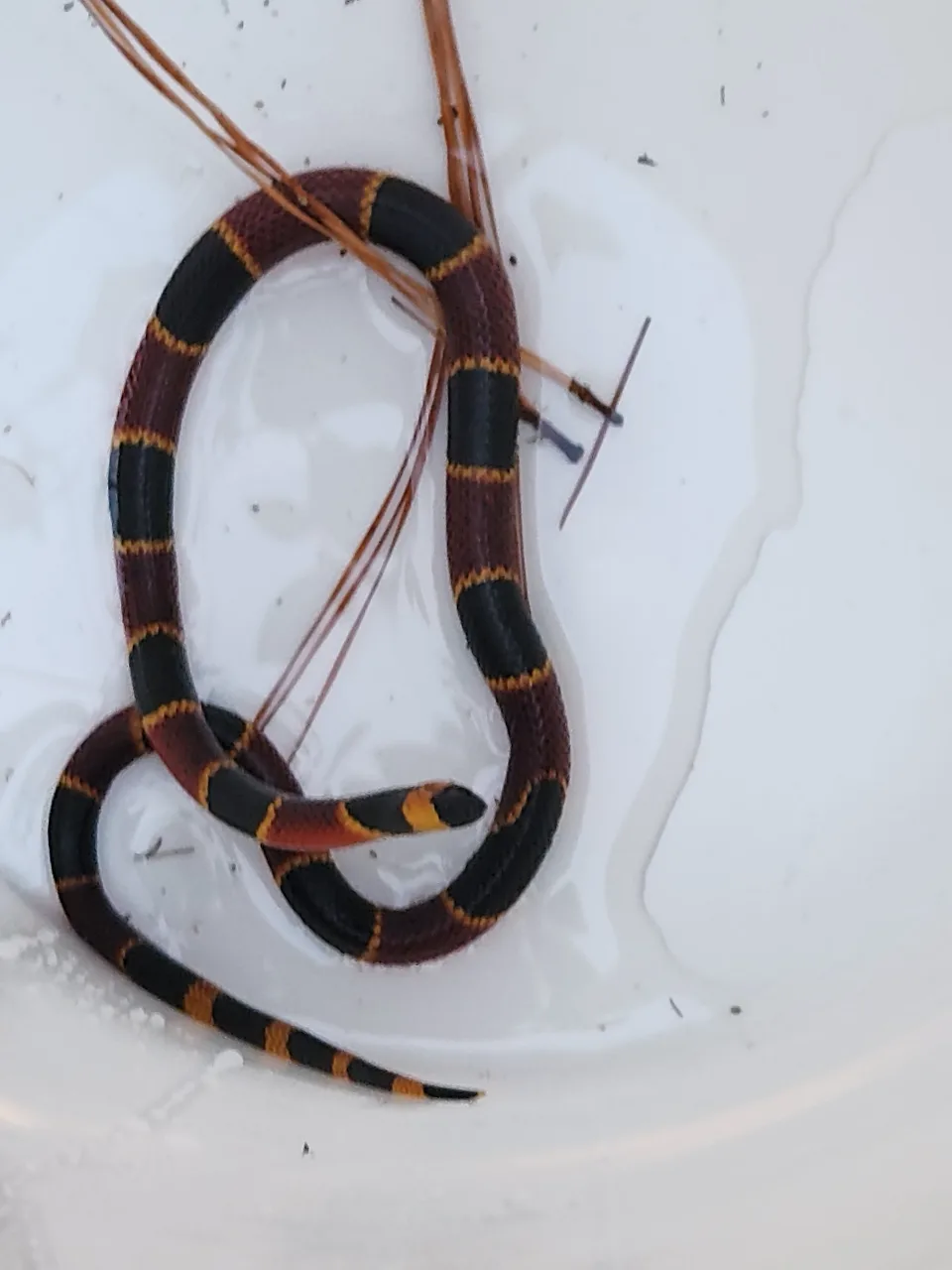
A rescued coral snake
From the field

Coral Snake and Harmless Coral Mimics

Which one is venomous? Tap a card to find out.

Tips for Safety around Venomous Snakes and Their Habitats

  1. Avoid wetland edges and other habitats that may harbor snakes
  2. Stay alert around wetlands and in thick brush
  3. Do not harass or attempt to kill a venomous snake
  4. Keep grass mowed
  5. Remove brush piles
  6. Wear leather gloves while gardening
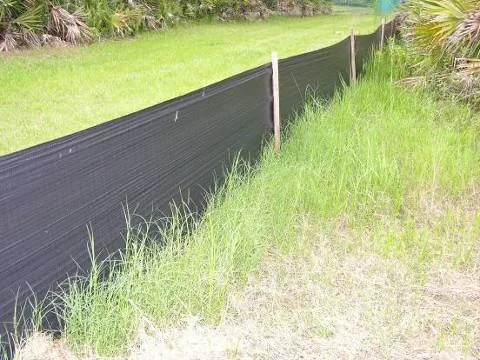
  7. Erect barriers to exclude snakes
Kernel the corn snake wearing gardening gloves
A snake barrier fence
A snake barrier

Venomous Snakebite Statistics

The chances of being bitten by a venomous snake are VERY, VERY low!

0–0Estimated bites in US each year
<0Less than 10 deaths in US each year
  • Most bites occur in southwestern US
  • Fatalities are extremely rare!
  • Victims are mainly males aged 17-27
  • Alcohol intoxication is often a factor
  • Handling, harassing, or trying to kill a venomous snake is a BAD IDEA
  • Most bites occur April-September

United States Fatality Statistics

Approximate number of U.S. deaths per year

Lung Cancer162,460
Car/Motorcycle Accident37,594
Lightning Strike54
Hornet, Bee or Wasp Sting53
Dog Bite/Attack21
Spider Bite7
Snake Bite6

Log scale: each step is 10 times bigger.

Snakebite Action Plan

Get prompt medical care—call 911 immediately!Call the Poison Control Center National Hotline: 1-800-222-1222

DO’s

  1. DO join NSS National Snakebite Support.QR code for National Snakebite Supporthttps://www.facebook.com/share/cwb1R8iuycK4q9zB/?mibextid=K35XfP
  2. DO call 911 and poison control immediately.
  3. DO stay calm. The faster your heart beats, the faster venom works through your body.
  4. DO remove all jewelry and tight-fitting clothing. You will start swelling, and you could even lose a finger unless you get off the jewelry.
  5. DO stay as still as possible and elevate the extremity.
  6. DO mark the bite with a marker, or by taking pictures every 15 minutes. This will give medical staff an idea about the rate of spread.
  7. DO advocate for yourself at the hospital. These people don’t see many snake bites, so they may not have the knowledge for complete appropriate care. Make them call snakebite support, and snake bite experts.

Snakebite Action Plan

Get prompt medical care—call 911 immediately!Call the Poison Control Center National Hotline: 1-800-222-1222

DON’T!

  1. DON’T use a tourniquet. This will cause the venom to pool in the extremity, increasing the damage to the area, and when the tourniquet is removed, it will cause a venom surge to the rest of your body.
  2. DON’T eat or drink.
  3. DON’T make any incisions. It will not help, makes you more susceptible to infection and will leave a scar.
  4. DON’T orally or with a device, suction the wound. Again, it will not help, and mouths are dirty, so it could cause an infection. NO SNAKEBITE KITS!
  5. DON’T take any medication before medics arrive.
  6. DON’T allow hospital to perform a fasciotomy before consulting with a snake bite expert. It will be more painful, doesn’t help, and will cause severe scarring.

It is NOT necessary to provide the hospital with what kind of snake the bite came from. There are only two types of antivenin that hospitals provide (Cro-Fab and Anavip.) For most snake bites Cro-Fab is more effective. That is carried by Mayo, Flagler, NAS Jax, and UF Health. While coral snake venom can cause more systemic problems, coral snake bites don’t present in the same way as any other venomous snake in Florida would. A pit viper bite will hurt and swell immediately, while a coral bite may not, so you’ll know the difference.

Take Aways

  • Only 6 of Florida’s 45 native snake species are venomous
  • Only 5 venomous species are found in NE Florida
  • Joining Snake ID groups is helpful in determining if a snake is harmless or venomous
  • The chance of being bitten by a venomous snake is VERY, VERY small!
  • It is best to leave all snakes alone to play their role in Florida’s ecosystems
  • Venomous and non-venomous snakes alike should be respected, not feared
  • If bitten, call 911 and seek immediate medical care!!!
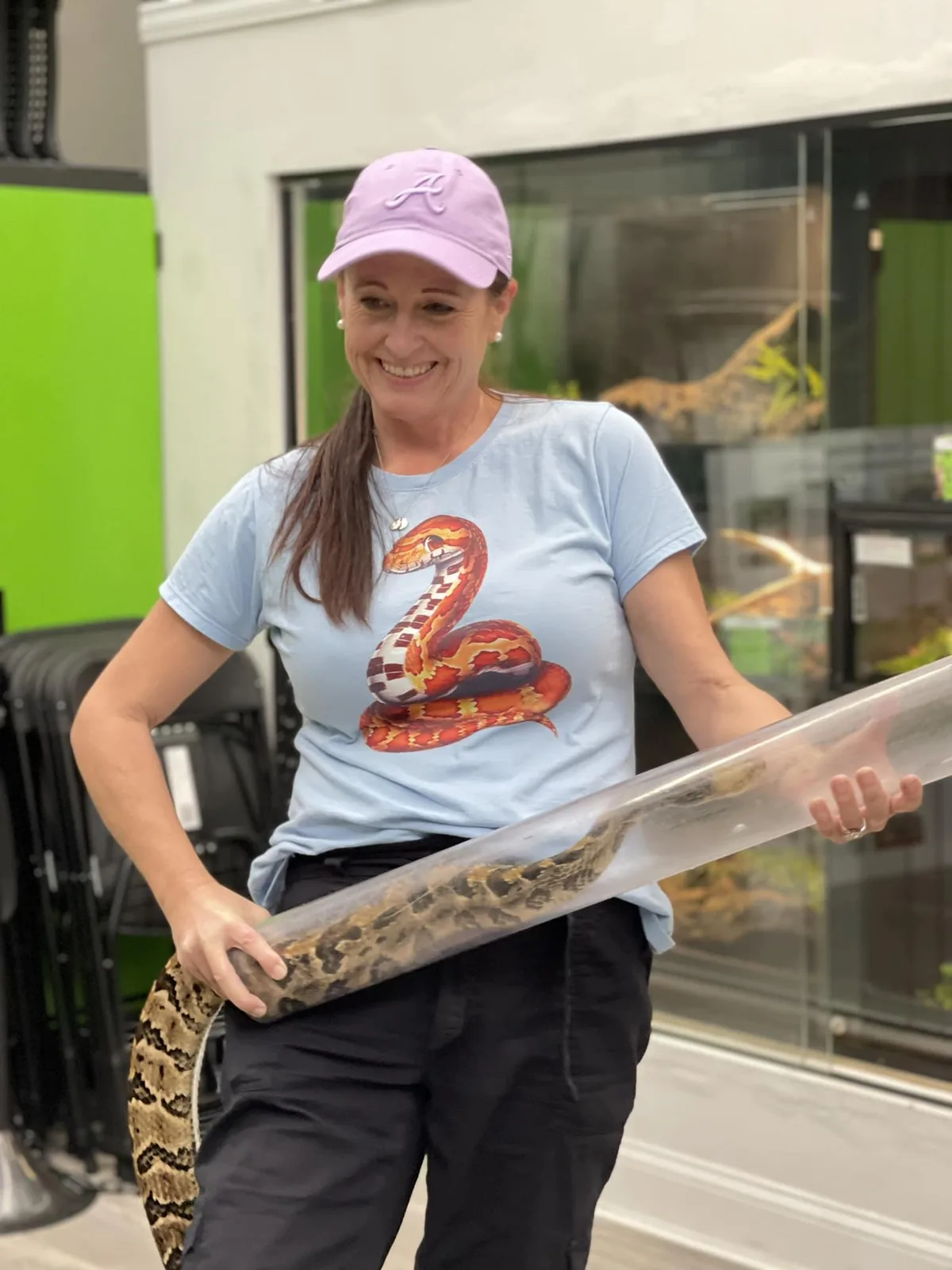
The Southern Snake Lady with a rescued snake
A relocator with a rescued snake

Snake in your yard?

Don’t grab it. Don’t kill it. Text a photo and a volunteer relocator helps.

QR code to text the snake lineText the snake line(904) 895-7773
QR code for the Facebook groupJoin 5,700+ neighborsSouthern Snake Lady on Facebook

QR code for southernsnakelady.comSnake ID guide & gamesouthernsnakelady.com
Home
1 / 19
Swipe ← → to move through slides